The Timeless Allure of Casablanca
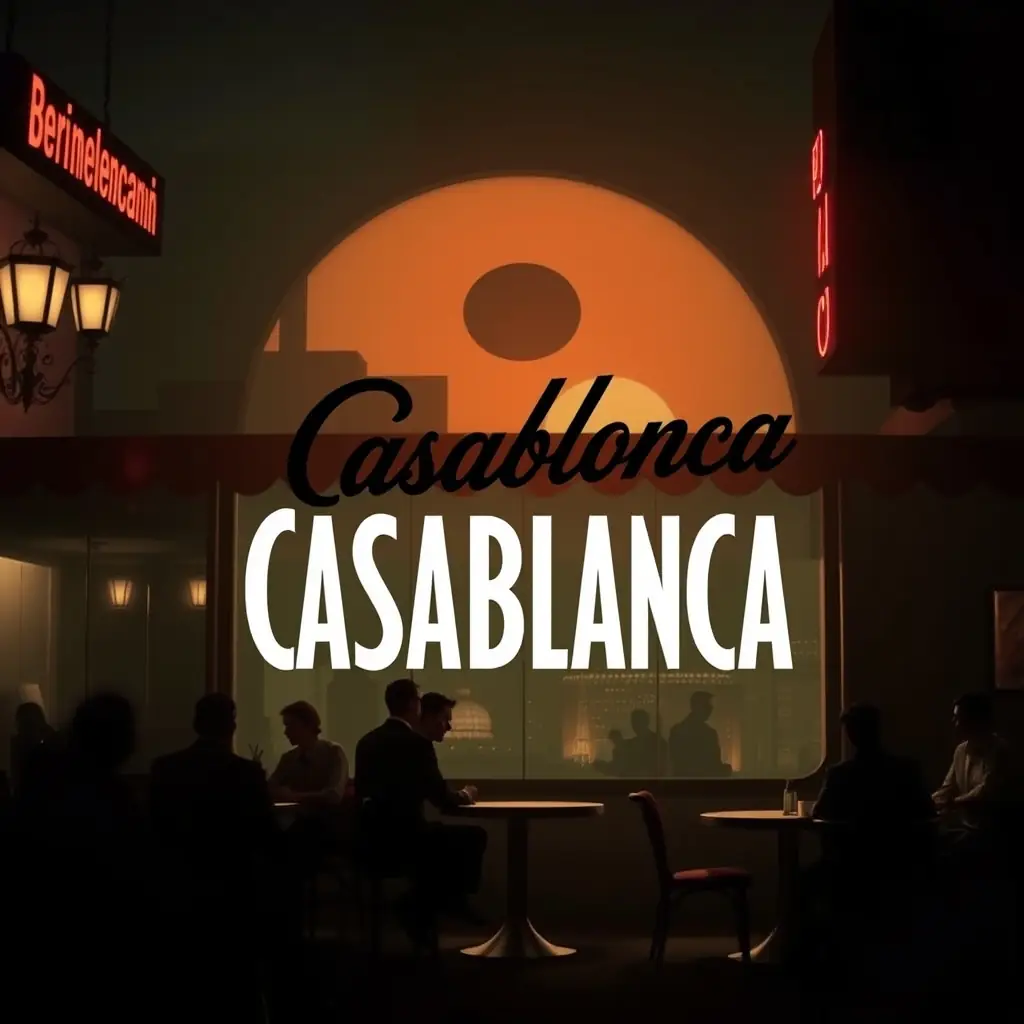
There is something exquisitely inevitable about the allure of Casablanca . When I first watched this film, I didn't expect to be so enthralled by its blend of romance, drama, and wartime intrigue. Set against the backdrop of WWII, the story unfolds in Rick's Café Américain, a lush, dim-lit haven packed with characters as textured as the Moroccan landscapes it inhabits. Humphrey Bogart and Ingrid Bergman lead with a chemistry that endures through decades, forever encapsulated in the line, "Here's looking at you, kid." Each scene is painted with Hollywood's golden-age glamour, from the haunting strains of "As Time Goes By" echoing through the bar, to the shadows that seem to whisper secrets around every corner. Yet what truly struck me was the deft balance of humor and pathos that director Michael Curtiz managed to weave through the narrative, making it a film that's as much about love as it is about sacrifice and moral ambiguity. It's not without minor flaws—some might find the pacing slow by modern standards—but the strength of its narrative and its ability to resonate on an emotional level is what makes Casablanca an essential part of cinematic history.
The Complex World of The Godfather
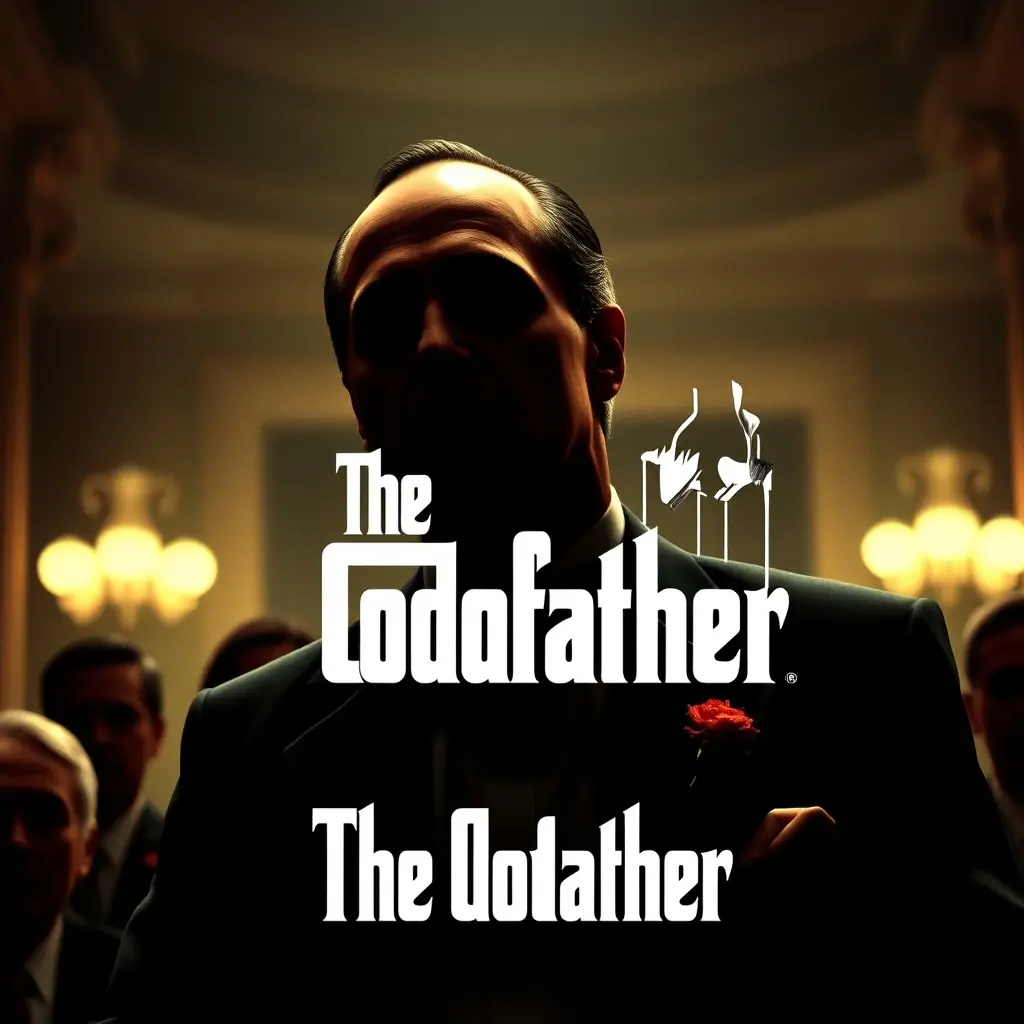
If there is a film that embodies an operatic scale within the crime genre, it is The Godfather . When I first sat down to watch it, I was captivated not just by the story but by the meticulous craftsmanship that went into every frame. Francis Ford Coppola's magnum opus portrays the intricate dynamics of power, family loyalty, and the dark seduction of organized crime. Marlon Brando as Don Vito Corleone, with his iconic voice and commanding presence, instantly pulls you into a world governed by an unspoken code. The film unfolds like a grand tapestry, each character contributing to a larger narrative mosaic. I was particularly taken by Al Pacino's transformation from the reluctant Michael Corleone into a cold, calculated mafia leader; it felt like watching destiny unfold with an air of tragic inevitability. Some find it slow, but every quiet moment is charged with tension and foreshadowing. The soundtrack, from the flourish of strings to the melancholic notes of the theme, remains etched in my memory, serving as an emotional undercurrent to the vivid, beautifully-lit visions of 1940s America. What may not work for some is its lengthy runtime, but it's an investment that pays off in storytelling depth and emotional complexity.
A Diabolical Dance in Silence of the Lambs
There exists a certain unsettling charm to Silence of the Lambs that grips you from the first shadowy frame to the last harrowing note. The world Jonathan Demme created is one balanced on a knife's edge between horror and thriller, and revisiting this film reminded me why it remains a standout in the genre. Anthony Hopkins's portrayal of Dr. Hannibal Lecter is nothing short of hypnotic—his every whisper, mere eye movement or unsettling smile is crafted to unsettle, yet you can't look away. The interplay with Jodie Foster, as Clarice Starling, is a psychological tête-à-tête that kept me teetering on anticipation. It's not just the brilliant performances, though; the film's power lies as much in what it suggests as in what it shows. Hannibal’s cell, that glass-fronted cage, becomes a microcosm of tension, and the strategic use of color and framing by cinematographer Tak Fujimoto amplifies the claustrophobia the film so masterfully builds. However, it doesn’t skimp on nuances or moral quandaries, leaving you to ponder the lines between good and evil, sanity and madness. While some aspects are unsettlingly graphic, it is the profound psychological insight and detailed character studies that elevate Silence of the Lambs to an intricate dance of psychological horror.