
The Timeless Charm of Casablanca
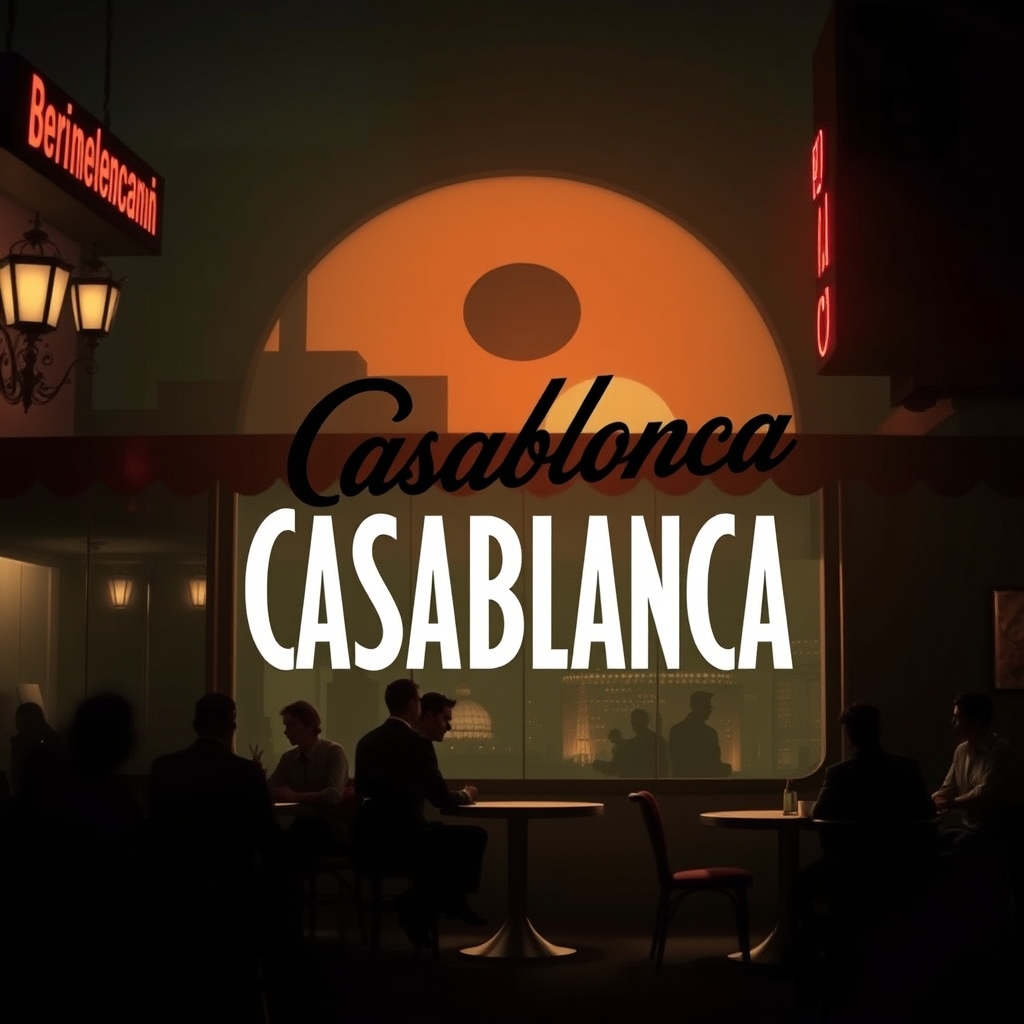
Everyone knows the famous lines from Casablanca —'Here's looking at you, kid.' But it's more than just its quotable dialogue that keeps us watching. Set against the backdrop of World War II, the film weaves a complex narrative of love, sacrifice, and intrigue. Humphrey Bogart's portrayal of Rick Blaine offers layers of cynicism that are peeled back with every scene, revealing a deeply committed, albeit scarred, man. Ingrid Bergman stands beside him with a performance that's equally commanding, her character Ilsa Lund navigating moral ambiguities with grace. Viewers often overlook the film’s masterful use of shadow and light, techniques that mirror the thematic tones of concealment and revelation. Michael Curtiz directs with an eye for detail, capturing the tension in Rick’s Café Américain as smoothly as he does the heartfelt moments between the leads. This film isn't just about nostalgia; it's a genuine classic that entertains while provoking thought about what choices we might make in the most trying of times.
Why The Godfather Still Reigns Supreme
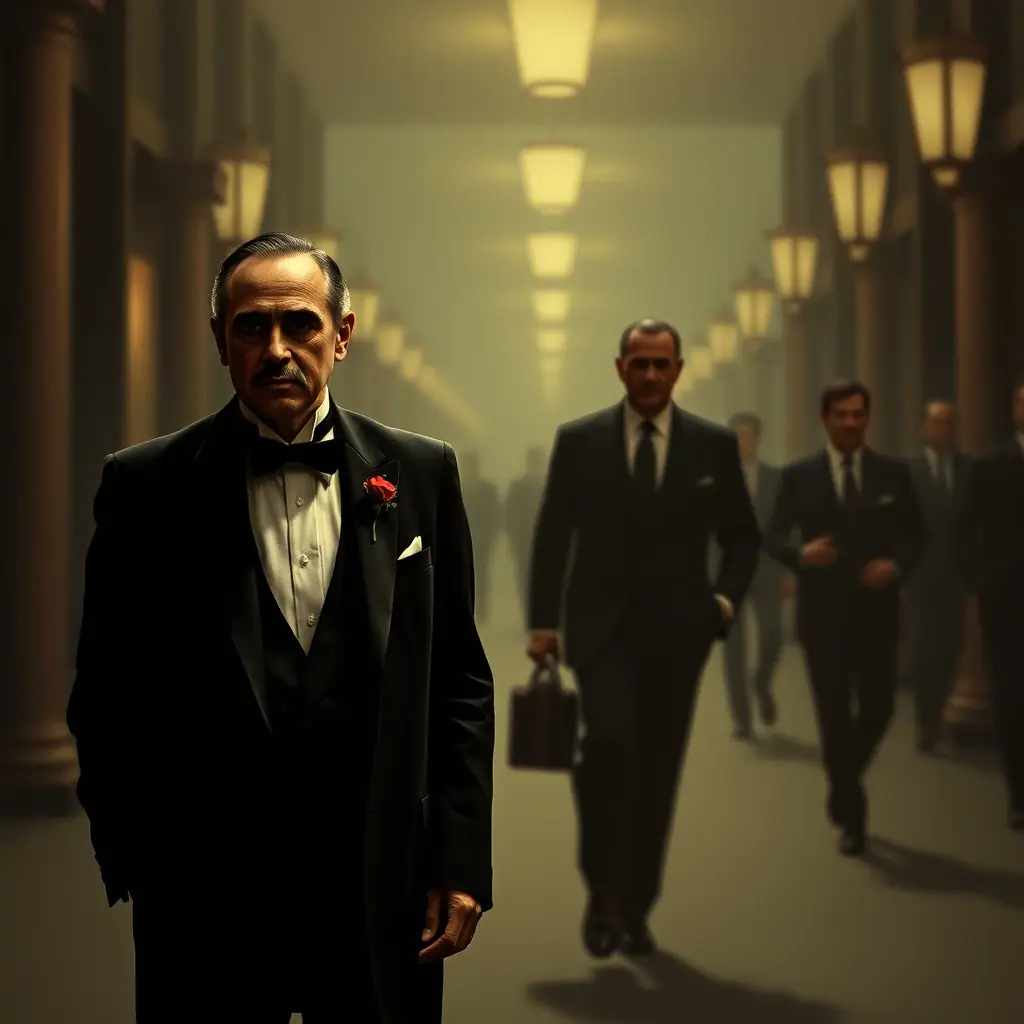
The Godfather is one of those rare films that has been dissected endlessly yet manages to evoke fresh insights with each viewing. Francis Ford Coppola’s legendary adaptation of Mario Puzo's novel creates a world of crime, power, and family, and does so with a breadth that remains unmatched. Marlon Brando's Vito Corleone isn't just a character; he's an institution that singlehandedly shifted the cinematic portrayal of mob bosses. Al Pacino's evolution from the naive Michael to the calculating head of the family is a study in subtle transformation. The film's meticulous attention to set design, from the richly decorated interiors to the bustling Italian festivals, immerses us in a vivid landscape laced with both beauty and danger. Apart from its storytelling, the score by Nino Rota is its own character, adding layers of emotion that heighten every pivotal moment. Anyone who considers themselves a film aficionado owes it to themselves to watch—no, to absorb— The Godfather .
The Continued Impact of Pulp Fiction
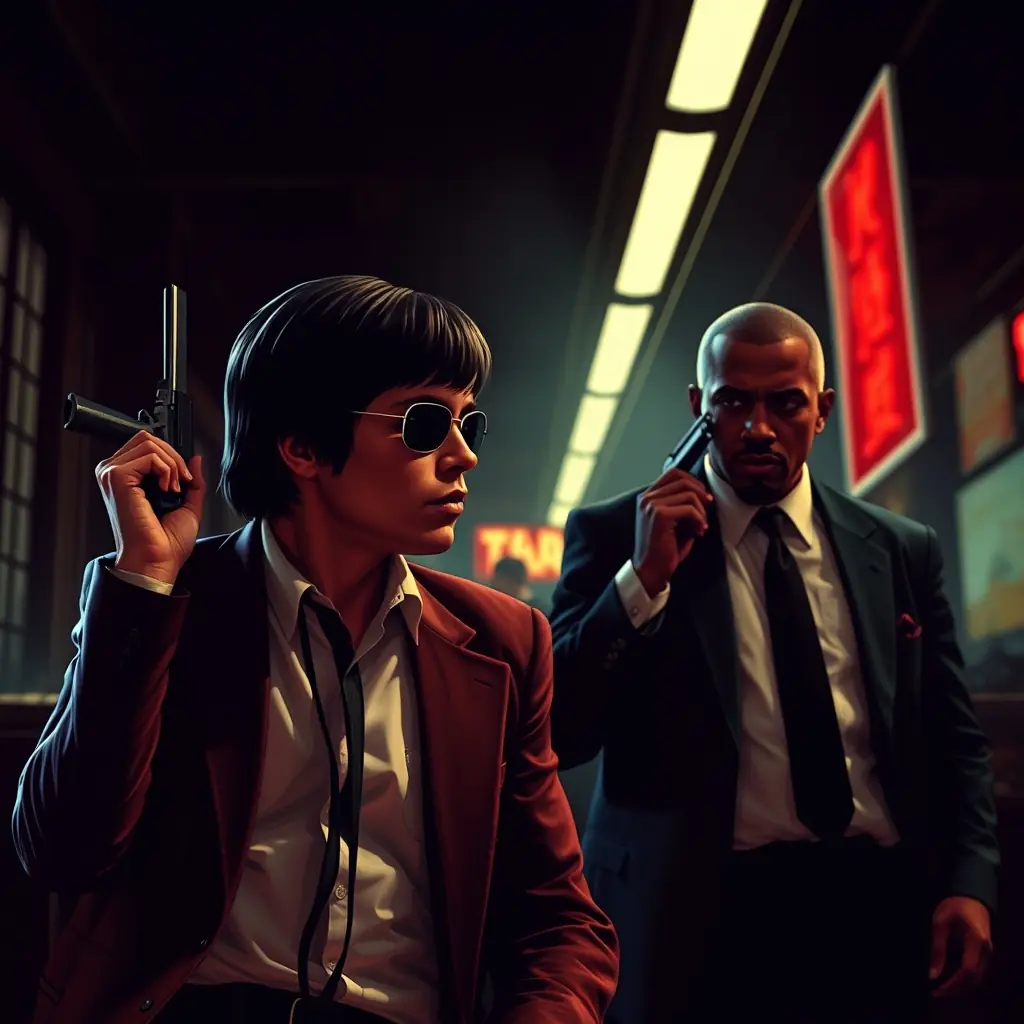
Quentin Tarantino's Pulp Fiction burst onto the scene in 1994 and forever altered the landscape of modern cinema. If you've watched it, you know how it seamlessly combines dark humor, violence, and dialogue so sharp it could cut glass. But it’s worth revisiting repeatedly to truly appreciate what Tarantino achieved: the multi-narrative structure that weaves together different storylines in a way that feels both chaotic and meticulously organized. The casting choices were pivotal; John Travolta and Samuel L. Jackson deliver performances that are as enthralling as they are enduring. Watching Travolta's Vincent Vega awkwardly step forward only to retreat within his many flawed yet fascinating layers invites sympathy and skepticism simultaneously. Uma Thurman's Mia Wallace is as enigmatic as any character can get, offering a magnetism that's palpable even in moments of quiet introspection. With its groovy soundtrack, Pulp Fiction doesn't just entertain but continues to pave the road for storytellers eager to push boundaries.