The Ever-Evolving Allure of 'Vertigo'
There are few films in cinema history as spellbinding as Alfred Hitchcock's 'Vertigo.' It is a masterpiece that only grows more intricate with each watch. The first time I saw it, I was captivated by its haunting story of obsession and identity. James Stewart delivers an unsettling performance as Scottie Ferguson, an ex-detective plagued by his fears. What truly sets 'Vertigo' apart is its visual storytelling. Hitchcock's use of color, particularly greens and reds, is not just striking but imbues each scene with a layer of psychological depth. Tension is palpable in the way the San Francisco backdrop becomes a character of its own. The dynamic shifts as one puzzles out the hidden meanings and symbols, especially the spiraling motifs reflecting Scottie's disorientation. Repeated viewings reveal how Hitchcock manipulates the viewer; his film takes on a new narrative form every time it's revisited. Despite its initial lukewarm reception in 1958, 'Vertigo' cements its status for me as a forerunner of psychological thrillers and a film that evolves and enriches with each view.
Discovering New Notes in '2001: A Space Odyssey'
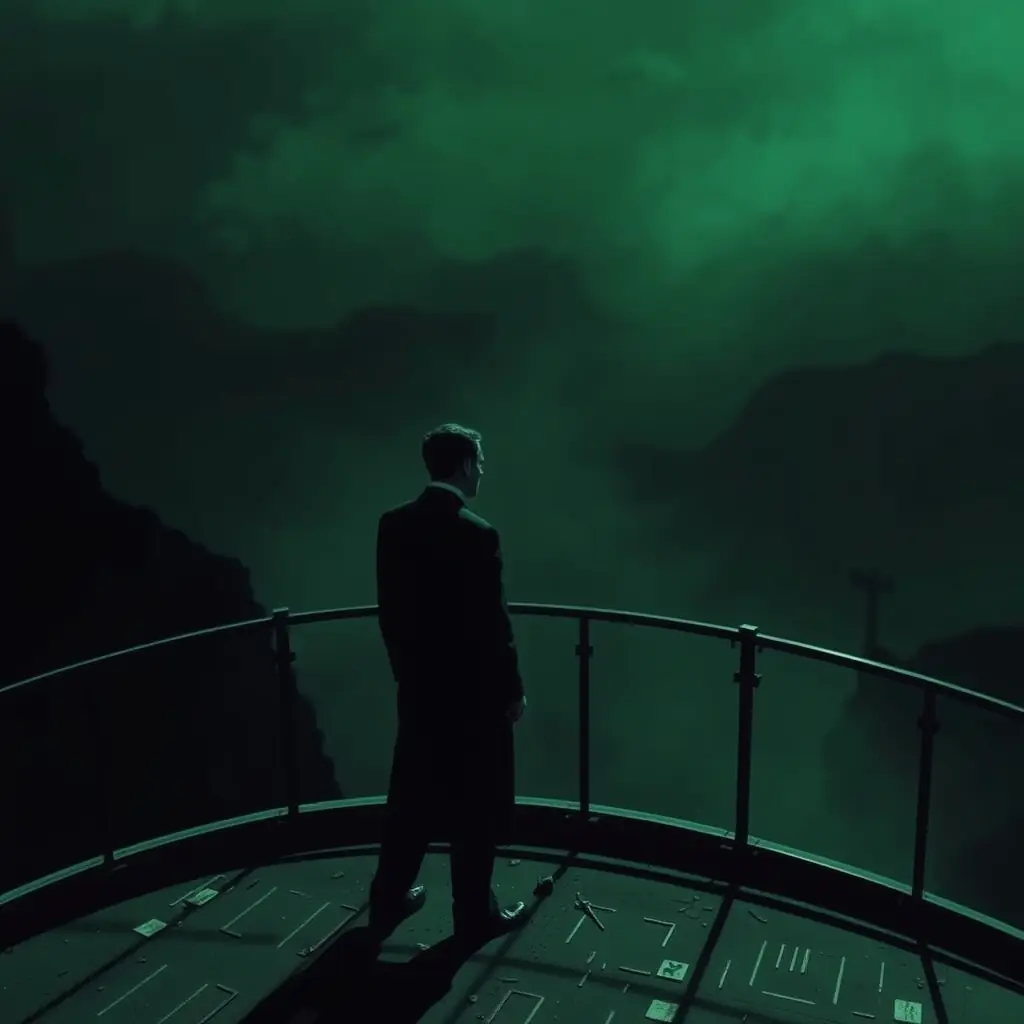
Stanley Kubrick's '2001: A Space Odyssey' is a visual and auditory symphony that defies straightforward interpretation. On first viewing, the grandeur of its special effects, which were groundbreaking in 1968 and still hold up today, is what hooked me. Yet, this isn't merely a space epic. The more I watched, the more profound the reflections on human evolution and technology became. Kubrick's attention to detail is astounding; he orchestrates every shot, every musical cue, to coax you deeper into pondering what it means to be human. There’s a quiet drama in the Journey Beyond the Infinite—a sequence that still elicits awe and speculation in equal measure. HAL 9000, with his red eye and soothing voice, evolves from a mere antagonist to a provocateur of existential dread. The deeper philosophical themes—about consciousness and our place in the universe—emerge gradually, unlocking more mysteries with each viewing. What makes '2001' a lasting classic is its ability to provoke thought and encourage us to seek meaning amidst its visual poetry.
Decoding the Layers of 'Mulholland Drive'
David Lynch’s 'Mulholland Drive' is a film that practically demands multiple viewings. The first time through, it felt more like a cryptic dream than a coherent narrative, which is precisely what keeps drawing me back. Lynch crafts a surreal Hollywood tale, starting with Naomi Watts' vibrant performance as Betty, and then twisting it into an enigmatic reflection of reality and illusion. Every watch unearths new connections; symbols and motifs buried within the film reconfigure the narrative each time. La La Land's backdrop complicates the apparent glitz with shadows of ambition, desperation, and identity crises. Lynch's unmatched use of sound design reinforces the eerie atmosphere, with ominous tones bleeding into scenes to unsettle yet fascinate. The film’s narrative structure is like a jigsaw puzzle—scenes once perceived as random or puzzling become clear pieces with every re-watch. Even elements like the blue box and key found new significance as I pieced together Betty and Rita's journey. Though it can feel daunting, the film rewards the dedicated viewer with a rich tapestry of meaning that’s ripe for exploration.