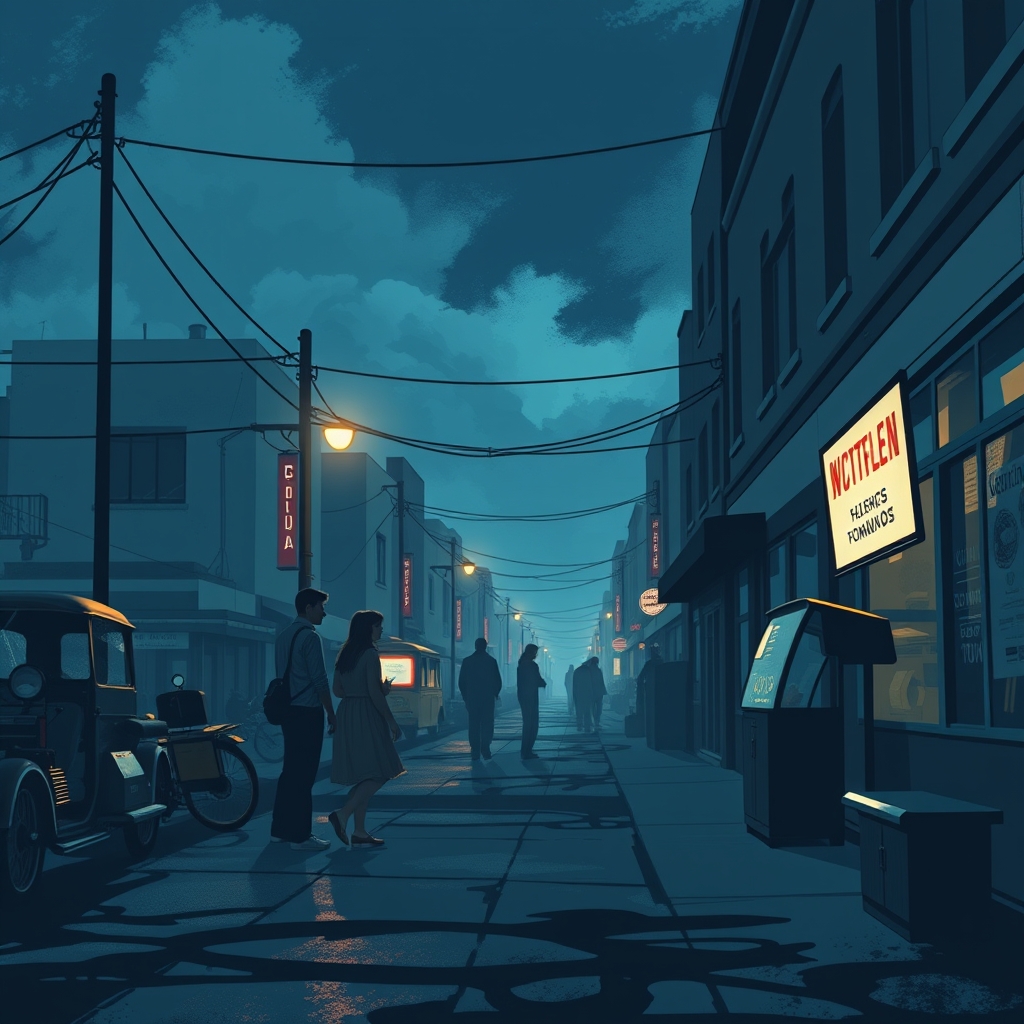
The Timeless Charm of Casablanca
As I'm transported back to wartime Morocco through the opening scenes of Casablanca , it's like stepping into a world where love and sacrifice intertwine with political intrigue. Released in 1942 and directed by Michael Curtiz, this film captivates with its unforgettable performances and impeccable storytelling. Humphrey Bogart's portrayal of Rick Blaine, the cynical nightclub owner with a heart, resonates with viewers due to his complex character development. Ingrid Bergman shines as Ilsa Lund, bringing depth and vulnerability to her role. The chemistry between them is palpable, elevating the film beyond the romantic drama it might initially seem. The film's iconic moments, from the haunting piano melodies of 'As Time Goes By' to the tense climax at the airport, have been etched into the collective memory of cinema lovers worldwide. The black-and-white cinematography adds an atmospheric quality that enhances the film's timelessness. For those who appreciate a narrative rich with emotional depth and historical context, Casablanca remains an unparalleled cinematic experience. Its themes of love, loyalty, and honor remain relevant, ensuring it continues to captivate audiences new and old. If you haven't yet watched Rick and Ilsa's bittersweet tale unfold, it's a journey worth taking.
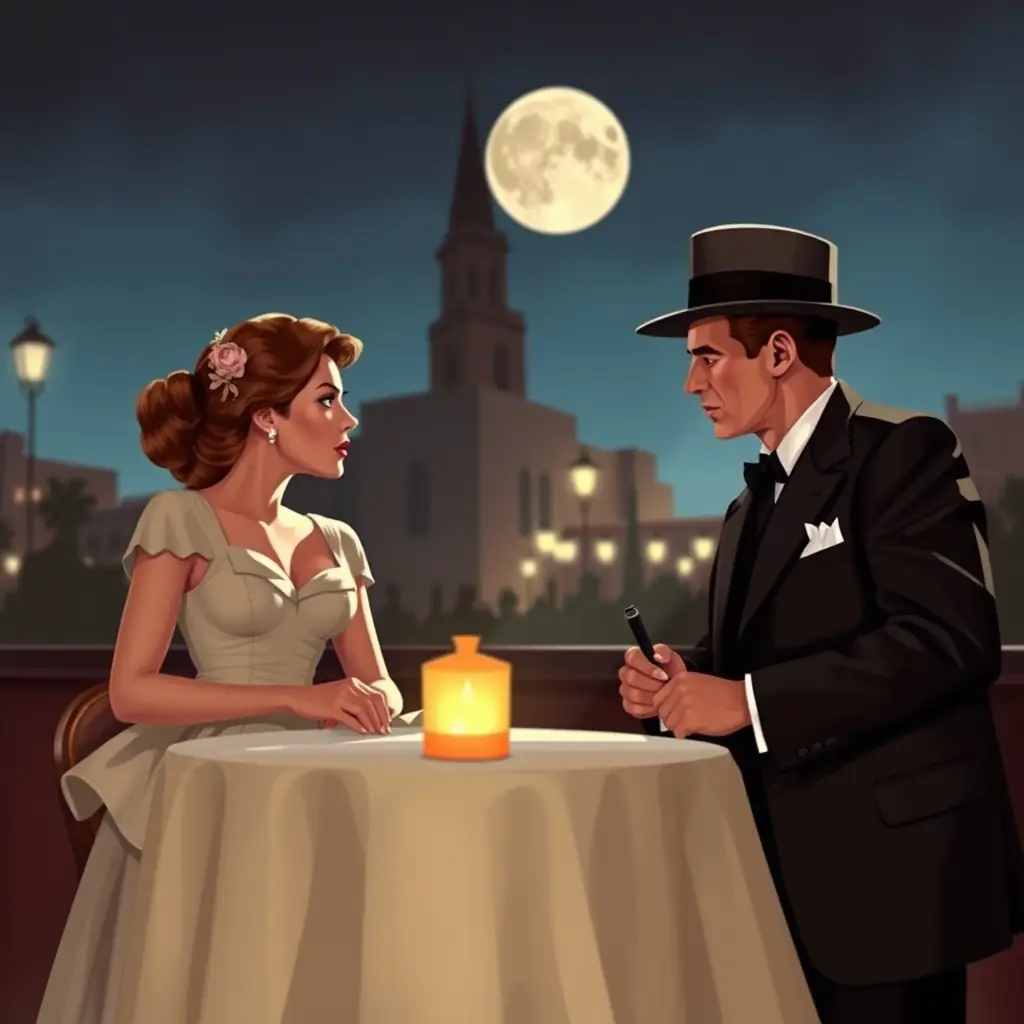
Reliving the Magic of The Godfather
Every time I revisit The Godfather , I find myself marveling at the intricate depiction of the Mafia world that director Francis Ford Coppola masterfully crafted in 1972. A powerhouse of filmmaking, this iconic film dives into the life of the Corleone crime family, led by the formidable Don Vito Corleone, played by Marlon Brando. His iconic mumbling delivery and commanding screen presence set a high standard for portrayals of crime lords. In contrast, Al Pacino's evolution from the innocent Michael Corleone into a ruthless mastermind is sheer brilliance. The transformation is gradual yet potent, showcasing his internal struggle and the eventual acceptance of his destiny. Scenes like the tense restaurant encounter highlight Coppola's knack for building suspense while also embedding intense character moments, which are critical to the film's success. With a detailed, sprawling narrative and an authentic portrayal of organized crime, The Godfather doesn't just tell a story — it envelops you into that world. Its influence on countless films over the decades is a testament to its artistry and storytelling prowess. Calling it a masterpiece feels almost like an understatement, as it continues to shape how we perceive crime dramas to this day.
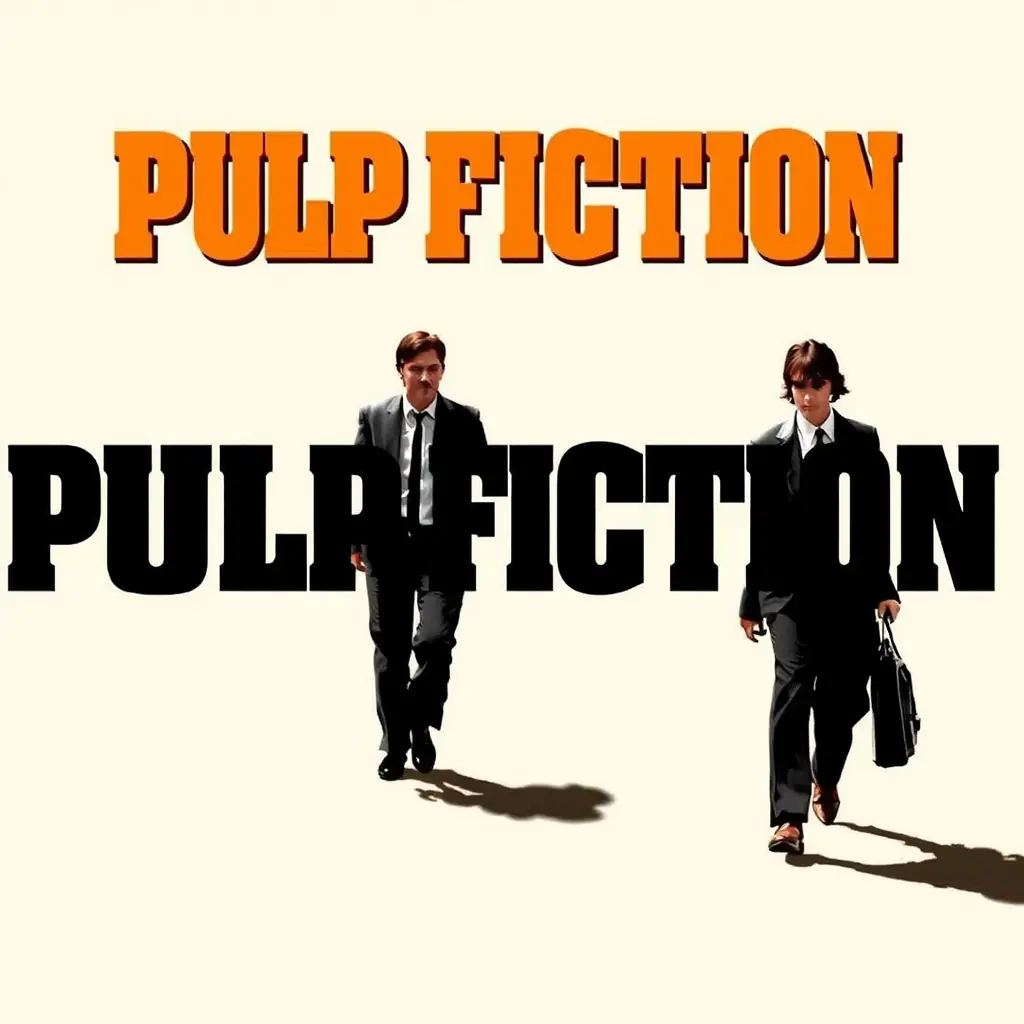
Unraveling the Layers of Pulp Fiction
When Quentin Tarantino's Pulp Fiction first hit theaters in 1994, it was like nothing else at the time. As someone who's watched this film multiple times, I can attest to the adrenaline-packed storytelling and the non-linear narrative that feels like putting together a fascinating jigsaw puzzle. The film weaves multiple stories of crime and redemption, peppered with sharp dialogues and dark humor. John Travolta, Samuel L. Jackson, and Uma Thurman deliver performances that are nothing short of iconic. Travolta's portrayal of Vincent Vega revitalized his career, while Jackson's rendition of Jules Winnfield became an archetype for the morally conflicted hitman. The banter between the duo is perfectly timed, providing both intrigue and comedic relief. Tarantino's penchant for music shines through with a vibrant soundtrack that has become an integral part of the film experience. From the moment the credits roll to the strains of 'Misirlou,' you are enveloped in the film's unique pace and unpredictability. For viewers who relish dissecting films and animated discussions on cultural impact, Pulp Fiction remains an engaging subject. Its daring structure and influence continue to inspire filmmakers, assuring its place in the cinematic hall of fame.