The Enduring Mystery of Christopher Nolan's 'Inception'
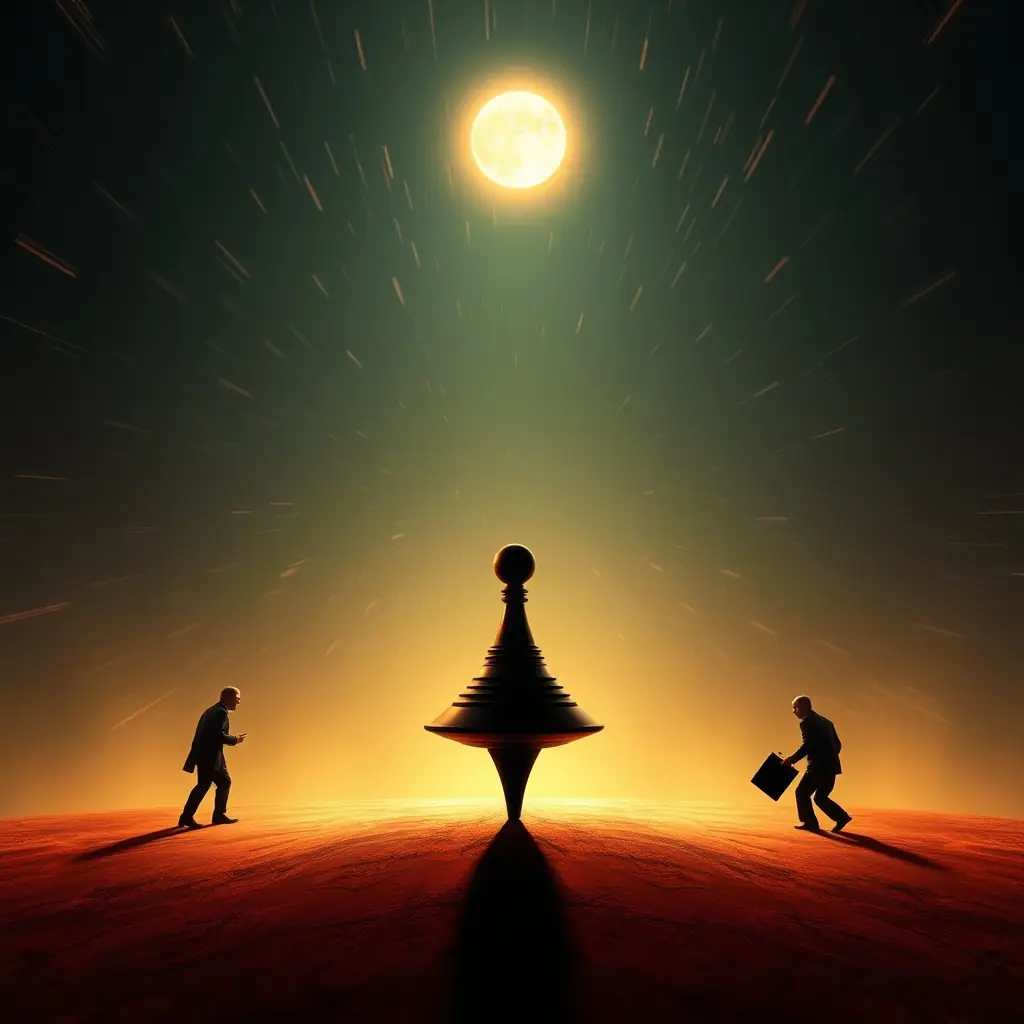
Ever since Christopher Nolan's 'Inception' hit theaters, its mind-bending ending has sparked endless debates among fans. As a filmmaker known for his intricate narratives, Nolan left viewers with a reality-blurring final scene that's open to interpretation. I remember the first time I watched that spinning top—it was the discussion of the night for my group of film-loving friends. Theories flourish about whether Cobb's totem toppled, signifying his reality, or continued spinning, suggesting he remains in a dream. Everyone seems to have their pet theory, each backed by subtle nods Nolan planted throughout the film. Even discussions that veer into intricacies like the significance of wedding rings or specific music cues reveal something about the film's depth. Nolan, never one to offer easy answers, created a film where the clues to its mystery are scattered across layers of dreams and reality, inviting viewers to watch it multiple times. This endless debate is a testament to Nolan's genius in crafting a film that lures us back into its labyrinth time and again, sustaining its cultural relevance.
Quentin Tarantino's Dialogue Magic in 'Pulp Fiction'
Quentin Tarantino has an undeniable gift for dialogue that becomes etched into the fan's psyche, and 'Pulp Fiction' is a prime example. The moment Jules Winnfield recites Ezekiel 25:17 is iconic, weaving intricate themes of morality and justice with a wild mix of humor and intensity. I can't tell you how many times I've re-watched that dance scene at Jack Rabbit Slim's, where Mia and Vincent's chemistry is palpable, thanks in part to Tarantino's sharp, witty script. Tarantino's ability to blend everyday conversation with moments of high tension keeps fans quoting, dissecting, and analyzing every line. His dialogues offer endless fodder for debate—fans explore everything from the meaning of the mysterious briefcase to the symbolism of the characters' redemptive arcs. Each viewing holds the promise of new discovery, reinforcing why Tarantino's script is seen as a masterclass in film dialogue that defies conventional storytelling and remains a benchmark for its cultural impact.
The Cult Phenomenon of 'The Rocky Horror Picture Show'
'The Rocky Horror Picture Show' hasn't just resisted fade with time; it's become a cultural touchstone that epitomizes cult classic status. As someone who adores this wonderfully bizarre film, I’ve marveled at how its participatory midnight screenings bring fans together in eager rebuttal of disbelief. Whether it's the iconic 'Time Warp' dance or the audience call-backs during the movie, Rocky Horror offers an experience like no other. Costume-clad fans gather around the world, becoming part of this vivacious, often hilariously chaotic, event. The film's legacy lies in its invitation to throw off societal norms and revel in its unapologetic indulgence of absurdity. Rocky Horror's enduring allure rests not just with its songs or scenes but the community it fosters—fans united by the strange joy of being 'outcasts' together. It's this collective experience that transforms each viewing into a celebration, making it a staple topic in cinematic circles about how a film can become larger than its original form.