

Rashomon's Multiple Perspectives
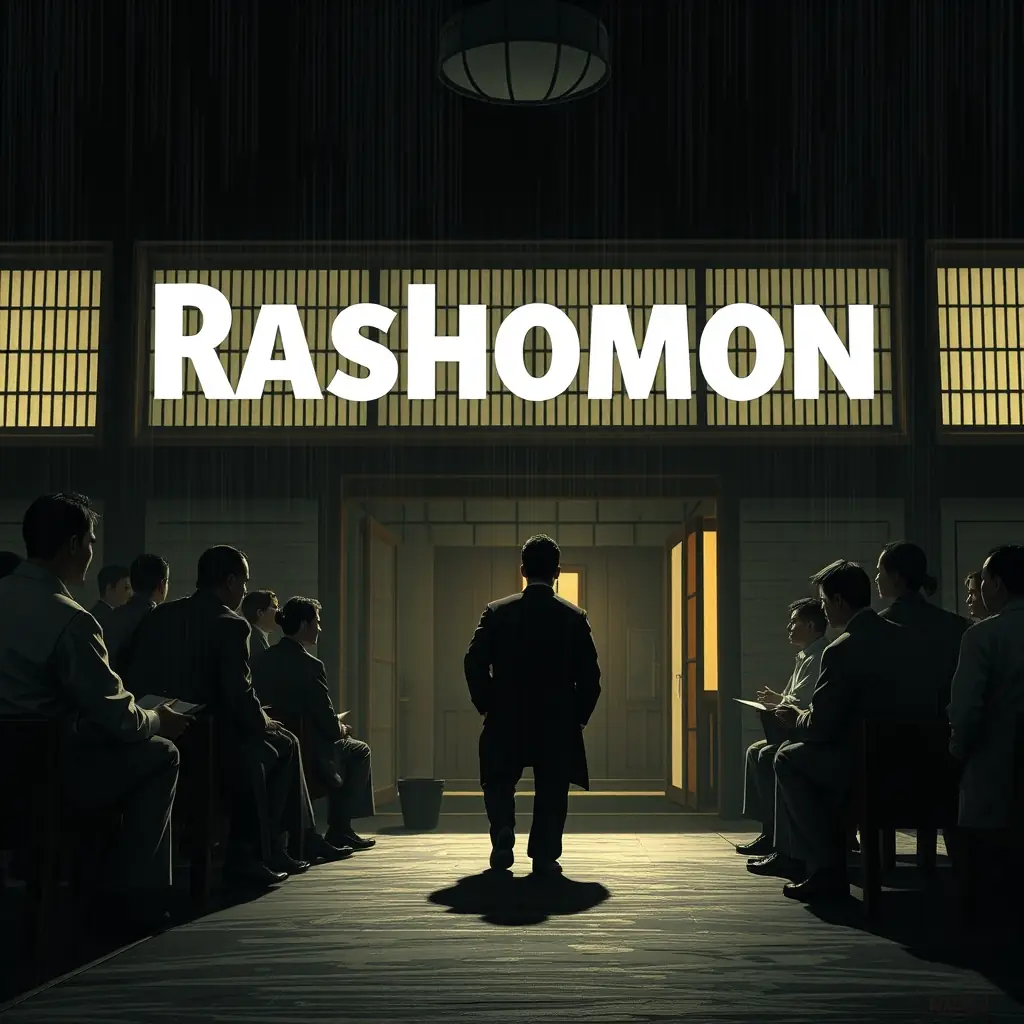
Few films ignite debate quite like Kurosawa's Rashomon . Its narrative brilliance lies not in a straightforward plot, but in its groundbreaking multiple perspectives — each character delivering their version of events surrounding a crime. Film aficionados, like myself, are perpetually drawn back to its meditation on human nature and truth. The film is more than just an aesthetic triumph; it reveals how our beliefs shape the lens through which we interpret the world. Watching this film isn't a passive experience; it's a mental exercise, challenging every presupposition with every contradictory testimony we see. This film's influence on cinema is profound, inspiring directors across genres, but its most enduring legacy is how it leaves us with more questions than answers. This isn’t a failure; it's a testament to its craft. The genius of Rashomon is that it never tells us which story to believe, inviting endless hours of debate about truth and perspective — a beautiful frustration shared among fans and newcomers alike.
The Enduring Enigma of Inception's Top
The final scene of Inception and that infamous spinning top keeps film lovers like me talking, theorizing, and occasionally pulling hair. Is Cobb finally in his reality, or is he still dreaming? Director Christopher Nolan artfully crafted the top's hypnotic spin to deliberately cut away before confirming its fate, ensuring audiences leave not with closure, but with a puzzle. His decision is a masterclass in generating a conversation piece that lasts beyond the theater — as potent on fan forums today as it was at the film's release. I've always admired Nolan's trust in us to engage with his mind-bending narrative; it's a powerful reminder that films don't owe us neat resolutions. Instead, our interpretations woven with personal hopes or anxieties become part of the story. This debate over reality versus dreamscape captures our cultural imagination because it's more than just about explaining a film's world; it's about reflecting on our perceptions and what we deem real or illusory.

Why Pulp Fiction's Briefcase is Cinematic Magic
If you want to spark lively debates at any film club, bring up Pulp Fiction and its legendary briefcase. Its contents, forever a mystery, ranging from a soul to Elvis's gold suit according to fans, enrich the fabric of the film rather than distract. Tarantino's masterstroke was utilizing the MacGuffin without diminishing the narrative's immersion. What keeps the conversation going among cinema enthusiasts is how seamlessly this enigma enhances the film. One moment, you're fixated on the characters' dynamic interactions set to a killer soundtrack; the next, you're caught up theorizing with friends about what's inside. As a devoted film lover, the true allure of the briefcase lies in its ability to transform a casual viewing into a communal experience of shared mystery and speculation. It's an integral part of the cult status Pulp Fiction enjoys, proving that sometimes, what's left unseen can fuel engagement and everlasting intrigue.