The Open-Ended Genius of 'Inception'
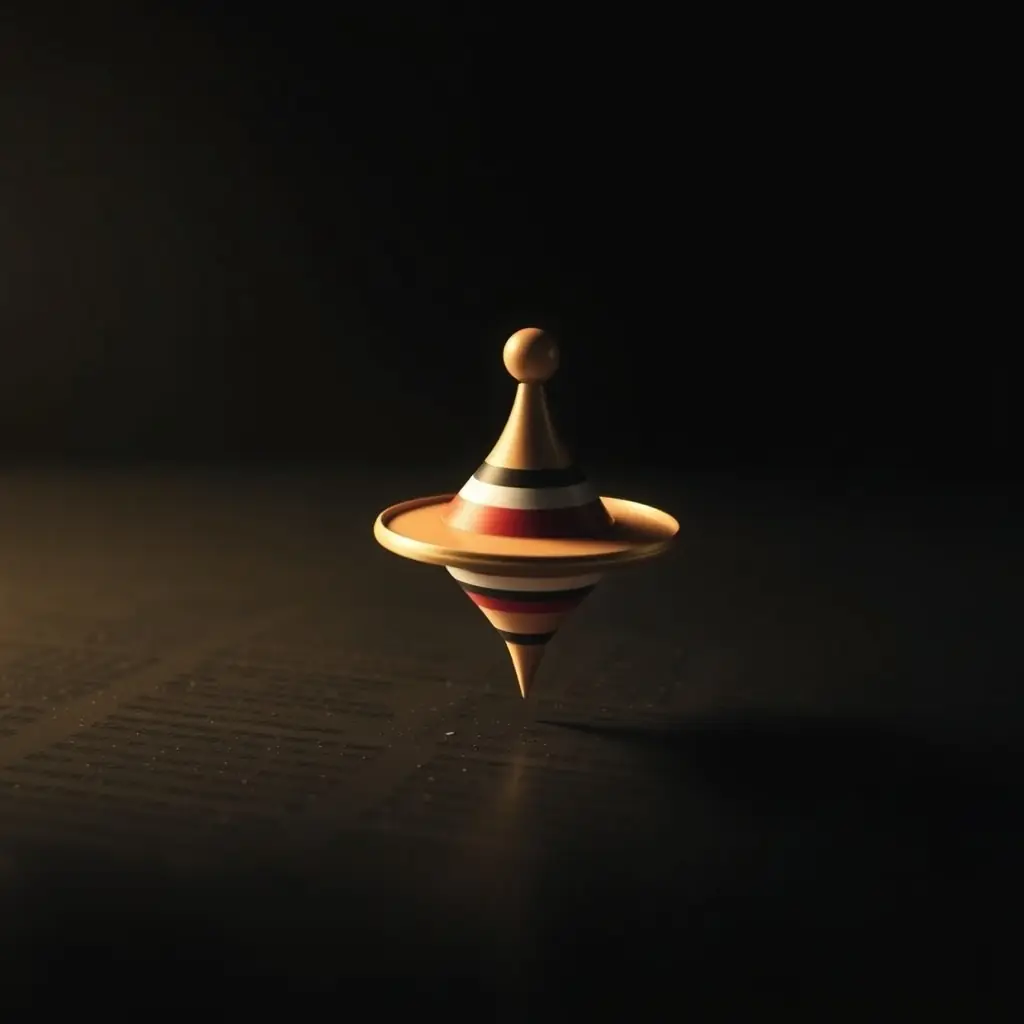
Christopher Nolan’s 'Inception' left audiences hanging with a spinning top. I remember watching it for the first time, glued to the screen. As the credits rolled, the theater erupted into a buzz of speculative whispers. Was Cobb still in a dream? The debate is part of its charm. Each rewatch nudges you towards a new theory. Was the top about to fall? Or did the token itself even hold the truth? What’s fascinating is how Nolan crafted layers that make fans return time and again. Each layer leaves a breadcrumb, a cipher inviting you back. Some claim the children’s unchanged appearance signals a dream, others say reality’s slipping. Nolan didn’t drop hints without reason, and it’s in those tiny deliberate choices—like children’s laughter or Cobb’s lack of a plane ticket—that spark timeless debates. It’s a film with one foot in dream logic and another grounded in human longing. The unresolved ending lets each viewer shape Cobb’s fate—a personal touchstone that elevates discussion. It reminds us the best stories often exist between the scene’s margins. Even as years pass, I find myself drawn back in, spinning the top in my mind, creating my own closure. It’s the kind of conversation starter that never ages.
Why 'The Big Lebowski' Became a Cult Phenomenon
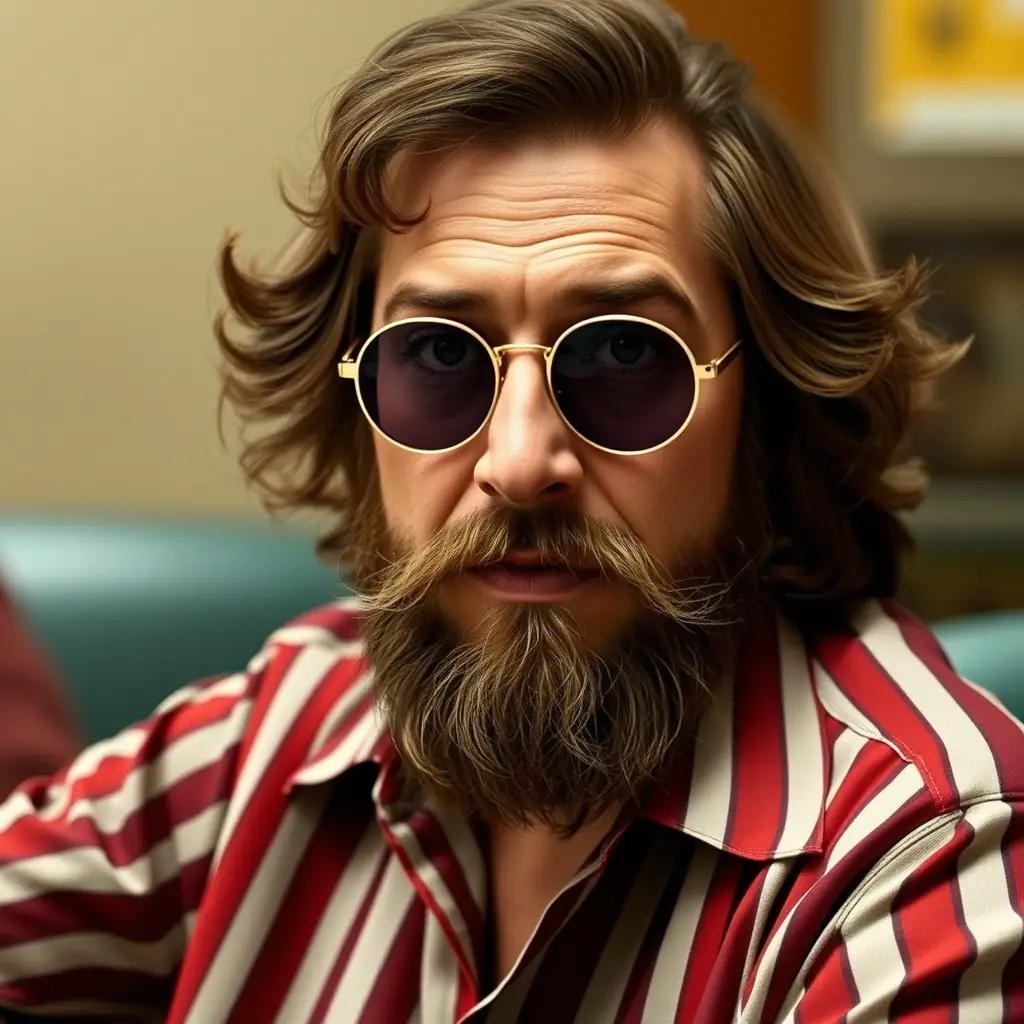
'The Big Lebowski' initially tanked at the box office, but somehow it grew to become a cult classic. I’ve lost count of how often I’ve quoted 'The Dude abides' in random conversations. The film invites you into a world so tangible and bizarre, it’s hard not to fall into its groove. A movie about nothing yet everything, it touches eccentricity and simplicity in the same breath. How did the Coen brothers pull it off? It wasn't just the outrageous characters like Walter or the bizarre bowling scene monologues. It’s the intricate yet uncomplicated nature that captures the absurdity, the randomness of life. An aspect often missed is the hauntingly perfect soundtrack creating a sensory bubble. At festivals, you find hundreds of dudes in robes, embodying laid-back philosophy—why? Because 'The Big Lebowski' isn’t just a film. It’s a lived moment. It’s how it makes space for chaos and peace, reflecting real life’s randomness inside 117 minutes of film. The cult status stems from its refusal to conform, echoing a sentiment in all of us longing to just be. Just like the Dude, life’s about abiding through the storms and unusual characters riding shotgun in our story.
Understanding 'Donnie Darko's' Timeless Enigma
When 'Donnie Darko' first released, it puzzled just about everyone. I remember catching it late at night, bewildered by giant rabbits and time loops. To anyone new, it’s often described as a sci-fi nightmare crossed with teenage angst. What makes it stick? The elements of mystery and existential dread feel like they’re plucked from a common distant memory. Not only does it question reality, but it threads the needle on time travel, fate, and sacrifice. It’s mesmerizing how it turns small-town America into a playground of dark wonders, guided by Donnie’s struggles. The fascination comes with dissecting its intricate plot. Why did Frank guide Donnie? Is the universe correcting itself, or were we all along in a tangent reality? What stays with you is not just the narrative arc but the way it captures adolescent alienation. More than just a film, it takes you on a psychological trip that you’re scrambling to piece together days after watching. Each viewing leaves a new theme unexplored. 'Donnie Darko' becomes richer as viewers reinterpret it with age and experience, assuring its place in the whisper discussions of film enthusiasts. It's one enigma transformed into a rite of passage of sorts for cinema devotees.