The Curious Case of 'Inception's' Spinning Top
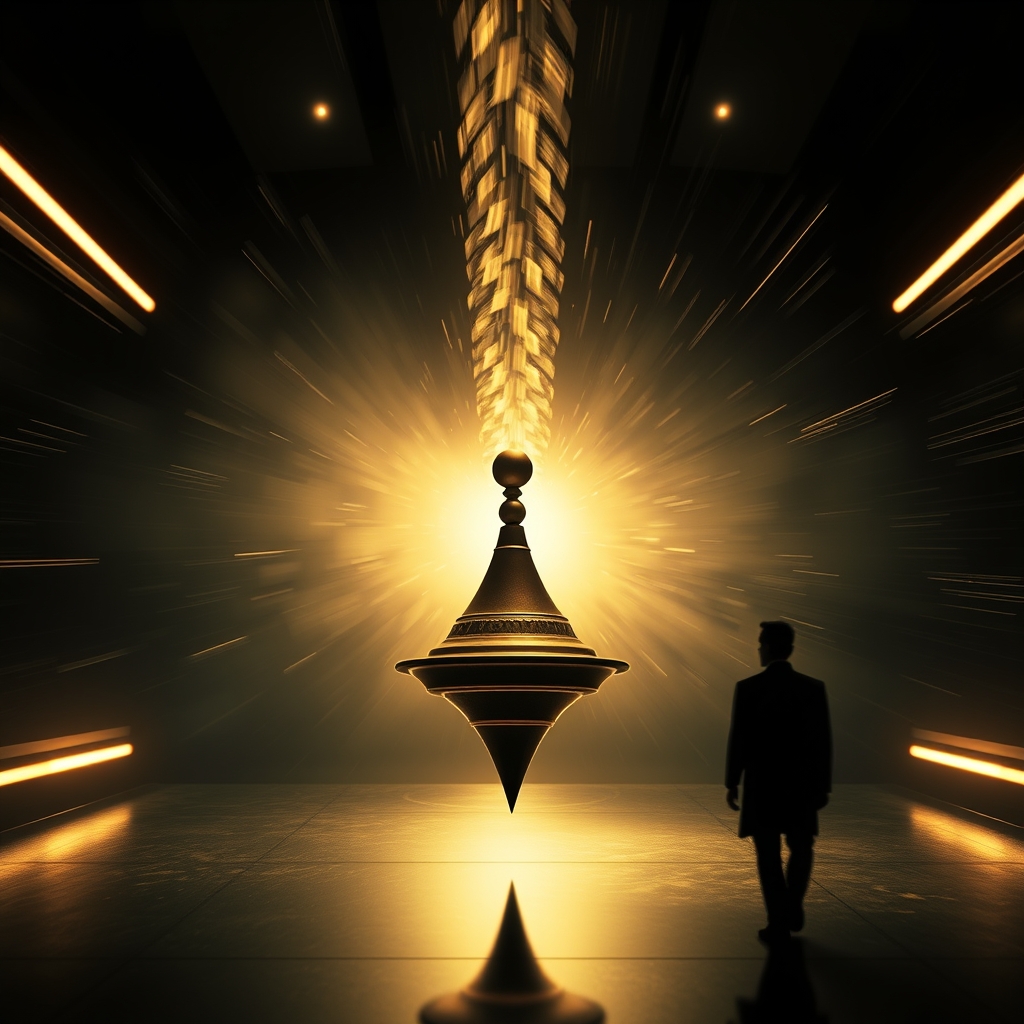
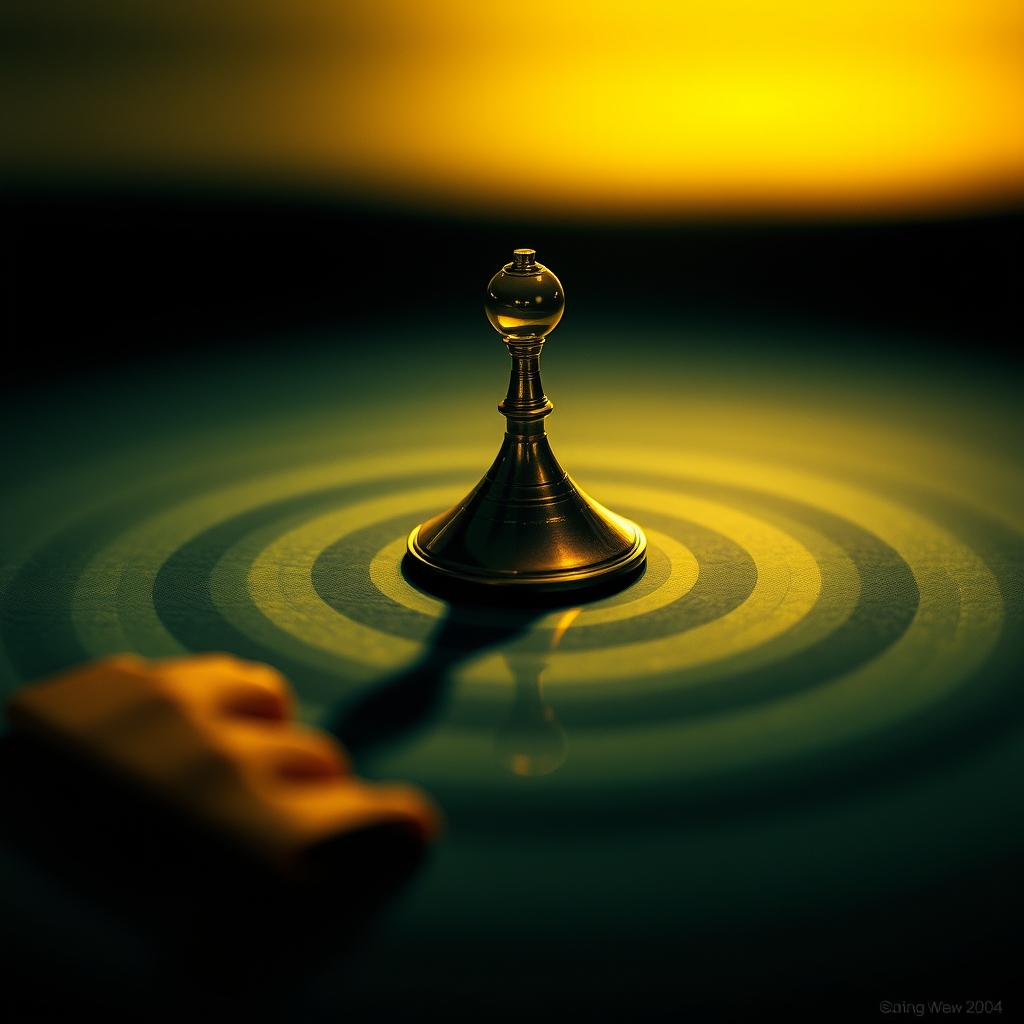
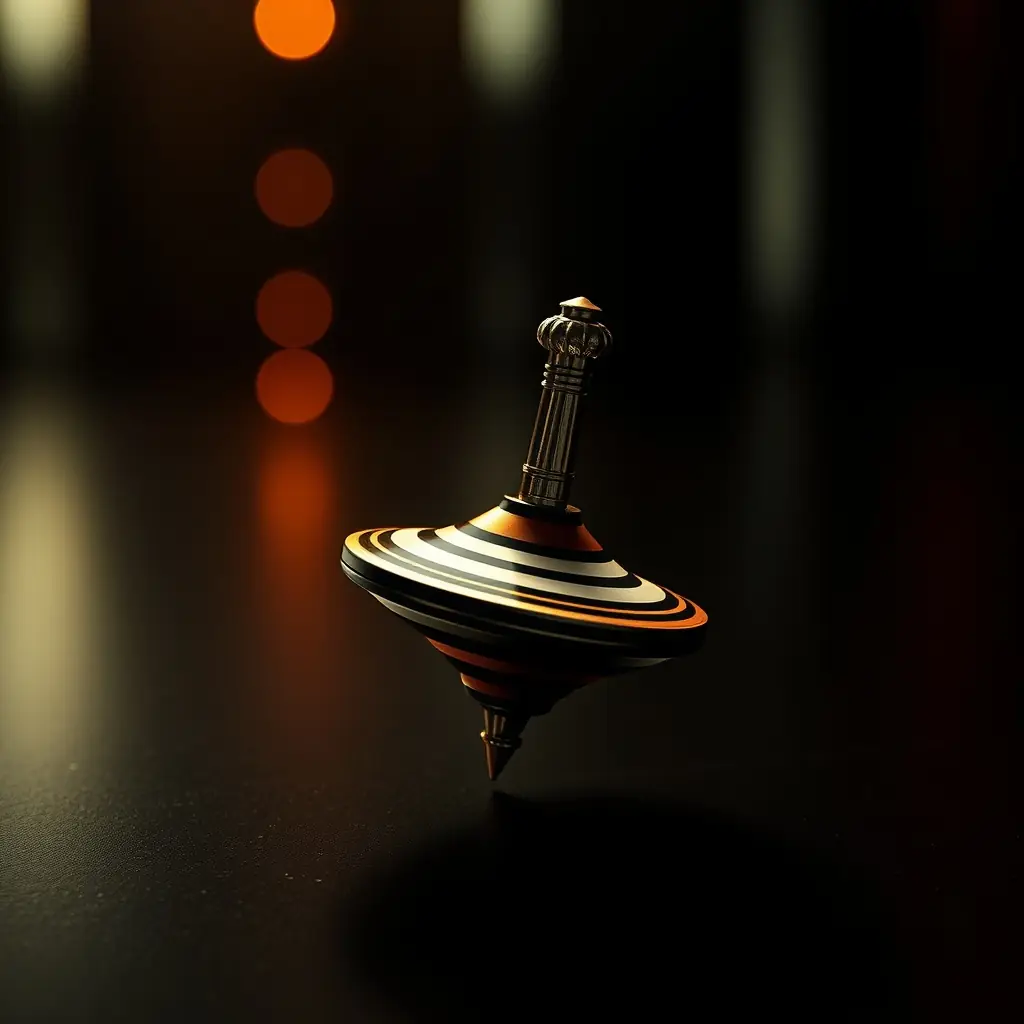
Few endings in cinema history have sparked conversations like that of Christopher Nolan's 'Inception'. The final scene with Cobb's spinning top leaves audiences questioning reality versus dream. I've seen heated debates at film conventions about whether the top falls or keeps spinning. Every time I rewatch 'Inception', I'm struck by how the narrative encourages viewers to form theories tied to Cobb's mental state and personal choices. The film's non-linear storytelling, combined with Hans Zimmer's haunting score, adds layers that fans love to unpack. Is Cobb finally home, or still locked within the confines of his dreams? The richness of these discussions is why I often find myself revisiting the film. It's a prime example of how an open-ended finish can elevate a movie to cult status, embedding itself in pop culture discourse for years. In fact, the ending has inspired a range of fan-made continuations, adding even more depth to conversations around this visual masterpiece. For me, that's the magic of film — it's never fully resolved, inviting viewers to interpret each layer for themselves.
Is Deckard a Replicant? Revisiting 'Blade Runner'
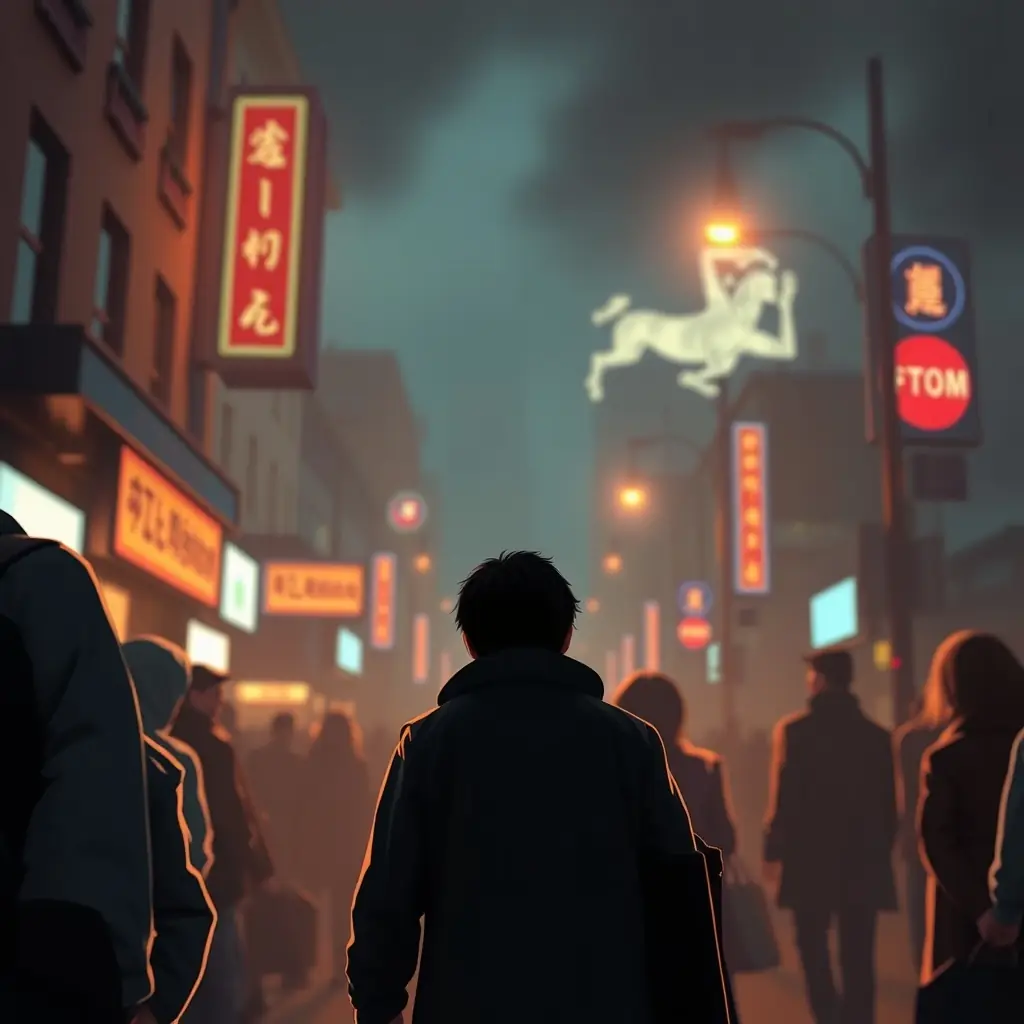
Whether Deckard is a replicant or not in 'Blade Runner' has been debated since the film's release. Ridley Scott’s noir thriller presents a future where the line between human and machine blurs, famously leaving the question of Deckard's true nature open. I've watched countless roundtable discussions on this topic, where fans dissect every clue, from the unicorn dream sequence to Gaff's origami figures. Harrison Ford's nuanced performance adds fuel to the debate, as he intentionally plays Deckard ambiguously. The film offers no clear answers, leaving it to the audience's interpretation. What makes this question so engaging is how 'Blade Runner' reflects on identity and humanity, themes relevant even today. Revisiting this film always provokes fresh thoughts on what it means to be human, echoing in conversations across online forums and film clubs alike. Every time I discuss it, new perspectives come up — a testament to its depth and enduring intrigue.
'The Shining' and Its Hall of Mirrors
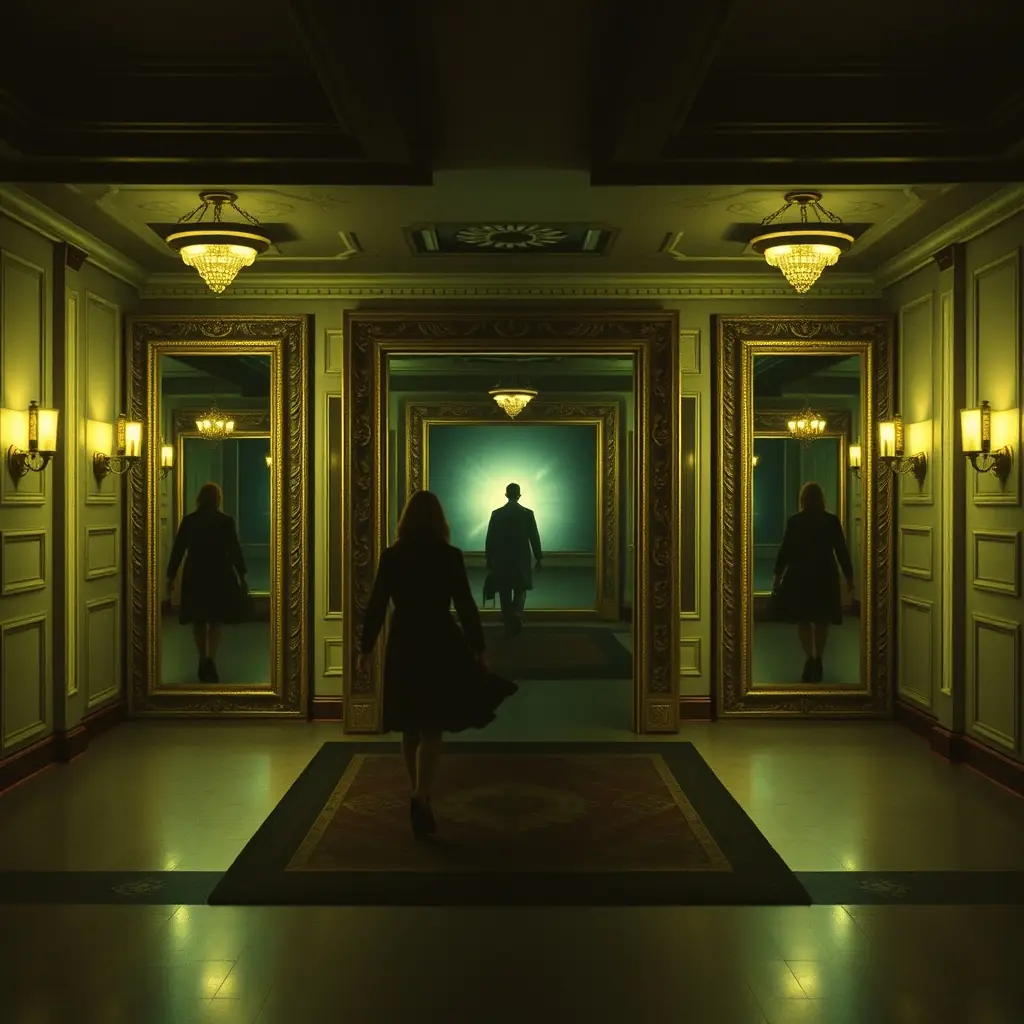
Stanley Kubrick's 'The Shining' is a masterclass in sustaining tension and ambiguity, making its ending a goldmine for fan theories. The moment when Jack Torrance appears in the old photograph is a puzzle piece that keeps changing shape. Is Jack always meant to be part of the hotel, or is it another manifestation of the Overlook’s eerie magic? Having watched 'The Shining' at various stages of my life, I notice different elements coming to the forefront each time. Film buffs frequently dissect this scene in podcasts, exploring notions of time loops and supernatural influences. Stephen King's own dissatisfaction with the adaptation adds another layer of analysis, as discussions often touch on differences between the novel and the film. Despite, or perhaps because of, its enigmatic nature, 'The Shining' keeps pulling viewers back into its labyrinthine corridors, redefining what we know each time we engage with it.