The Dream Theory in Inception
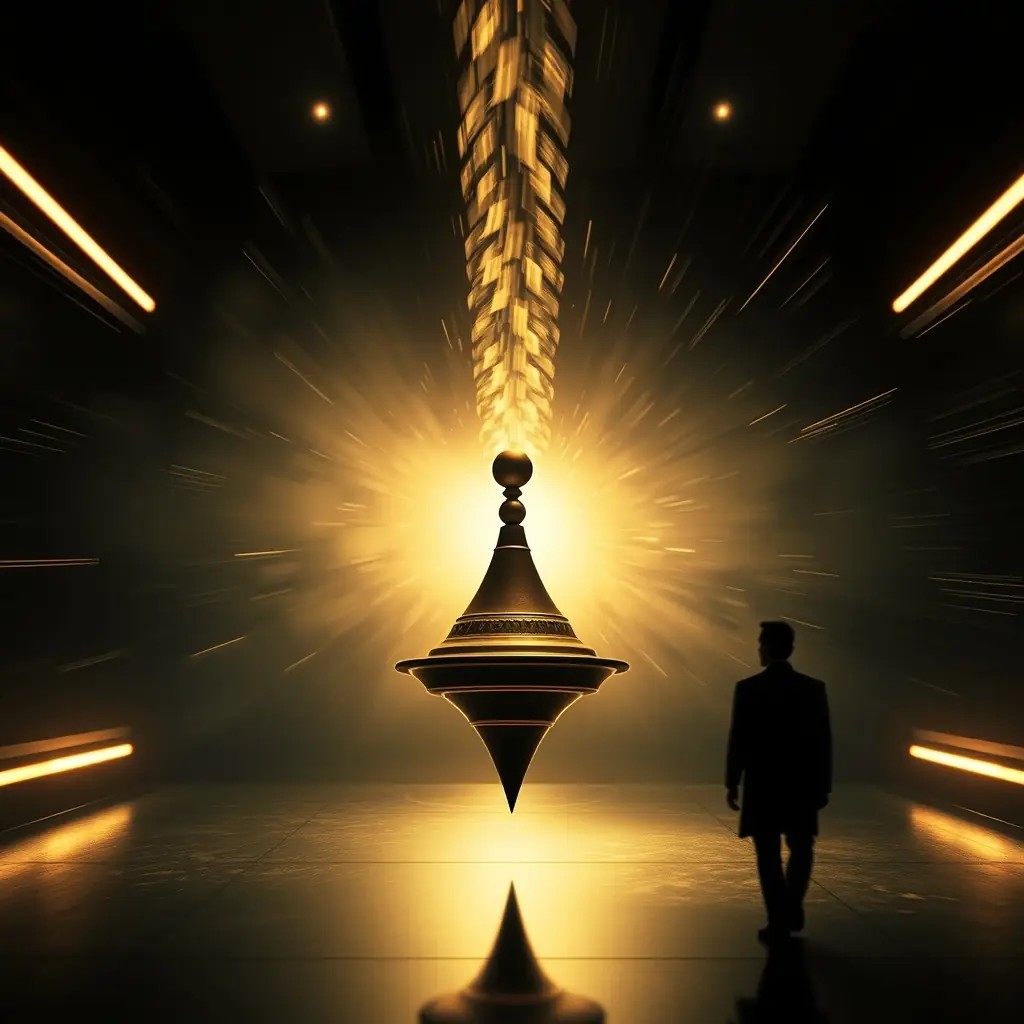
It was the night I first watched Inception that I realized how a single ending could fuel endless discussions. Director Christopher Nolan is infamous for his ambiguous plots, and this one is no exception. The film's final scene, where Cobb finally returns home but the dream-spinning top is left spinning, invites countless interpretations. Is Cobb still dreaming, or has he awoken? Fans are divided down the middle. I find myself passionately arguing both sides over beer with friends. The film crafts a narrative where reality and dream blur seamlessly, and that spinning top becomes the most talked-about actor of them all. This theory invites us to investigate minute details, like how the top wobbles just a bit—enough for some to insist that Cobb’s reality is genuine. Then there's the more symbolic argument: does it even matter, if Cobb's content with what he sees? These polarizing viewpoints lead to fierce debates, collective screenings, and even fan fiction diving deeper into alternate interpretations. It’s this kind of open-ended climax that makes Nolan's films a lasting staple for film buffs worldwide.
The Ambiguity of Blade Runner's Ending
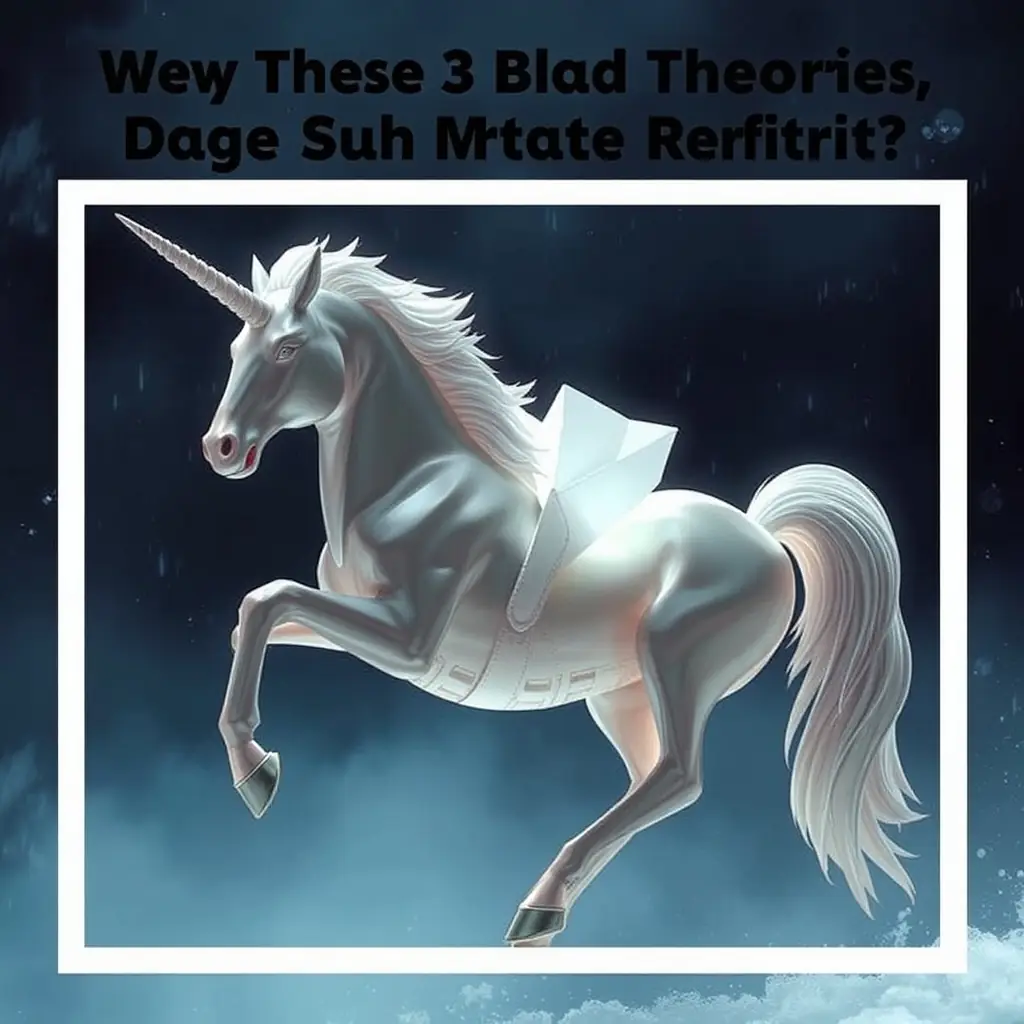
For years, Blade Runner fans have pondered whether Deckard is a replicant. Director Ridley Scott's classic film has provoked debates ever since its release, further fueled by Scott's own suggestive hints over the years. It’s the unicorn dream scene that particularly stirs the pot. Initially, it seemed like just another eerie sequence, but coupled with Gaff's origami unicorn at the end, it becomes a major topic at film panels. The film’s aesthetic—marked by its noir-like shadows and oppressive atmosphere—only adds layers to these theories' complexity. What fascinates me is how this debate over Deckard's true nature transcends the screen to questions about humanity. It's not just a sci-fi puzzle; it’s an exploration of what makes us human. I've spent countless nights watching with friends, each of us armed with evidence for and against the replicant theory. What strengthens its legendary status is precisely its ability to sustain these discussions, keeping the film timeless and continually intriguing.
Quentin Tarantino's Mysterious Briefcase
The contents of the mysterious briefcase in Quentin Tarantino's Pulp Fiction have sparked some of the most colorful fan theories I've come across. It's the golden glow when the case opens that ignites curiosity and invites speculation. Some fans insist it's Marcellus Wallace's soul, linking the number combination 666 as a sly nod to the devil himself. Others, like myself, enjoy the more bizarre tales suggesting it's Elvis' stolen gold suit or the diamonds from Reservoir Dogs . Tarantino has stayed coy, leaving the briefcase’s contents as an enigma. This kind of director's choice is what makes Pulp Fiction a cult masterpiece; it’s cluttered with intersecting storylines and iconic scenes—from the frantic adrenaline shot to the surreal dance sequence. The ambiguity of the briefcase adds to its allure, inviting viewers to create their own narratives. It keeps us returning to the film, keen to uncover new layers and angles—something I've experienced firsthand through repeated viewings and conversations with fellow enthusiasts.