The Ending of Inception: Dream or Reality?
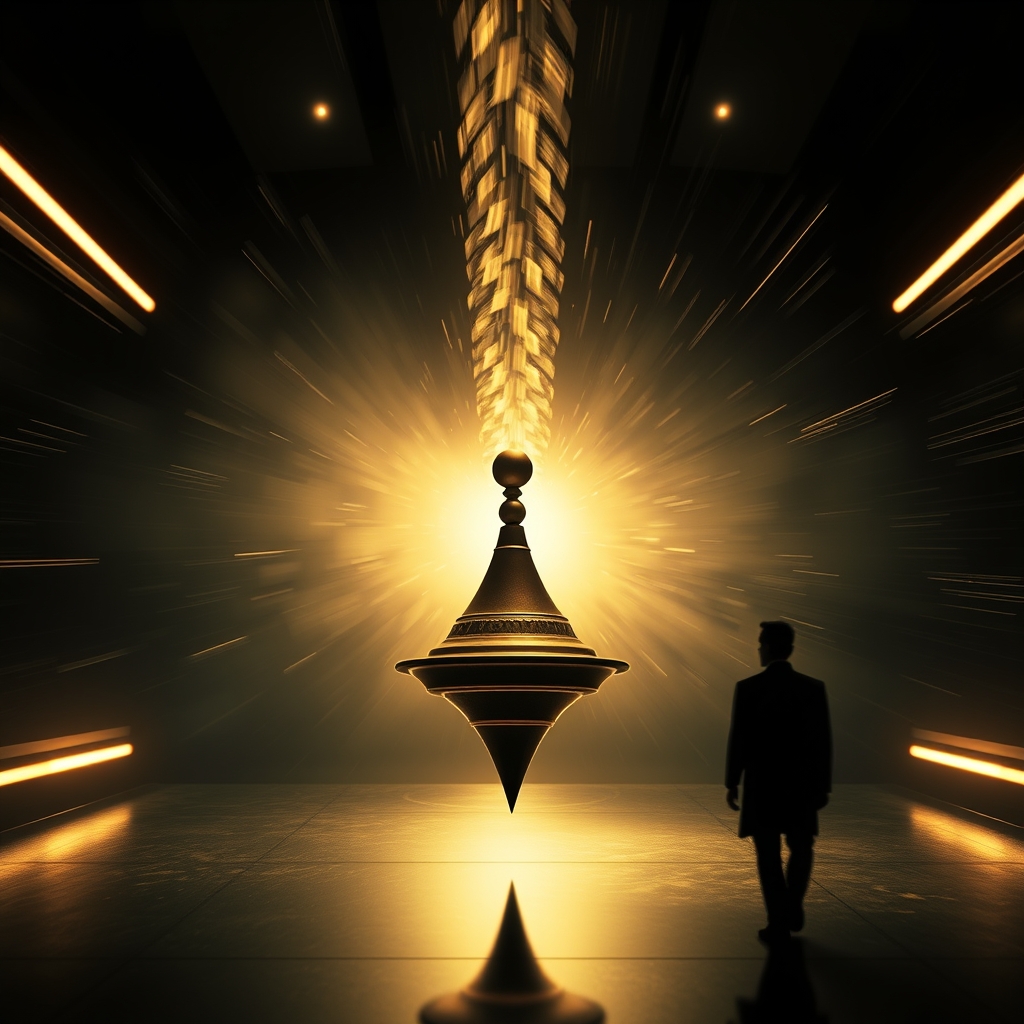
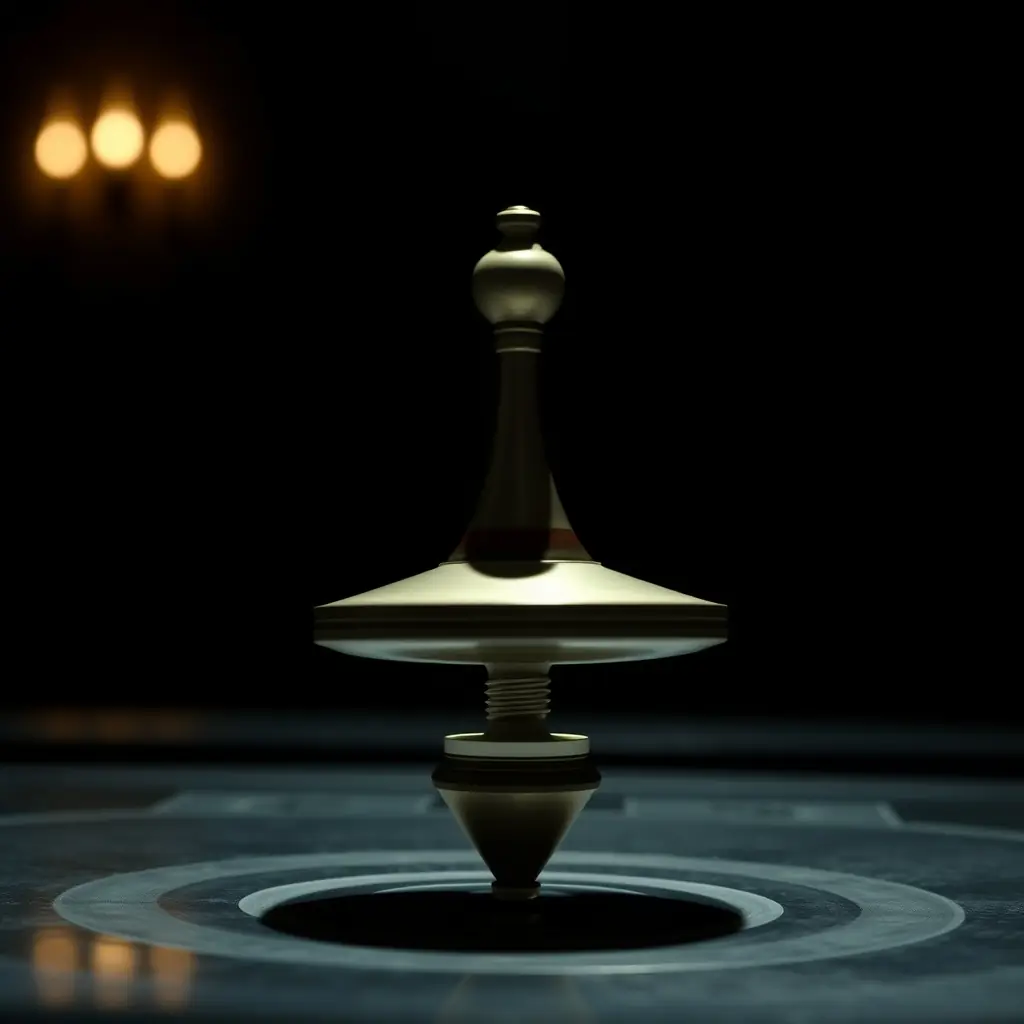
Ah, the infamous spinning top scene at the end of Inception . If there's one film debate that never fades, it's this one. Remember that scene? Dom Cobb finally returns home, spins his totem, and the screen fades to black just before we can see what happens. Is he awake? Is he still dreaming? As a seasoned film buff, I've found myself down this rabbit hole more times than I care to admit. Watching with friends always sparks the same heated discussions. Some argue the totem wobbles, hinting Cobb is awake. Others believe it spins with the same dreamlike steady rhythm. However, it's more than just about the top; it's about Cobb's journey and whether he's learned to let go of his past. Director Christopher Nolan intentionally leaves threads hanging, nudging us to ponder the nature of reality itself. The genius of this scene lies in its invitation to personalize the ending, as it's really about what we want for Cobb. It's this open-ended nature and the layers beneath that keep the conversation alive, a testament to Nolan's mastery in blending philosophy with cinematic magic.
Why Pulp Fiction's Briefcase Still Haunts Fans
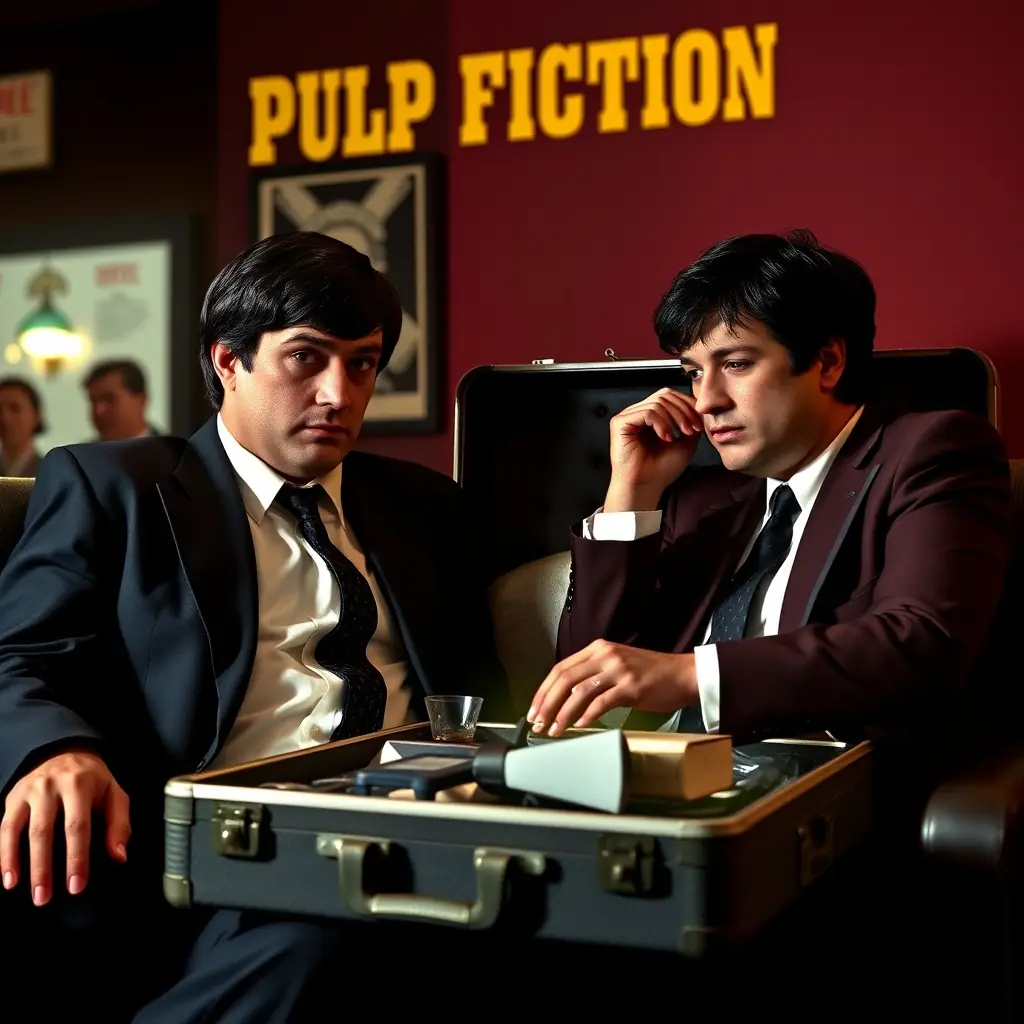
Quentin Tarantino's Pulp Fiction is a masterpiece of non-linear storytelling, and the mysterious briefcase is its pièce de résistance. If you're a film lover, you've probably engaged in at least one late-night debate over what's inside. From diamonds to a soul, theories abound. Personally, I lean towards the notion that it's a MacGuffin—a device driving the plot while its contents remain irrelevant. But isn't it the glow that gets you? It almost feels like another character in the film, demanding attention and whispering secrets. The scenes with Vincent Vega and Jules Winnfield, played by Travolta and Jackson, add layers of intrigue. Watch closely and you'll note Tarantino's playful nod to the audience: the combination is 666, a cheeky reference perhaps to something devilish. It's both frustrating and brilliant. Every time I watch, I can't help but examine it from a different angle, hoping for a new insight or detail. It's these film elements that make Tarantino's work a fan-favorite discussion point that thrives even decades after its release.
The Shining's Hallway Encounter: Kubrick's Cryptic Genius
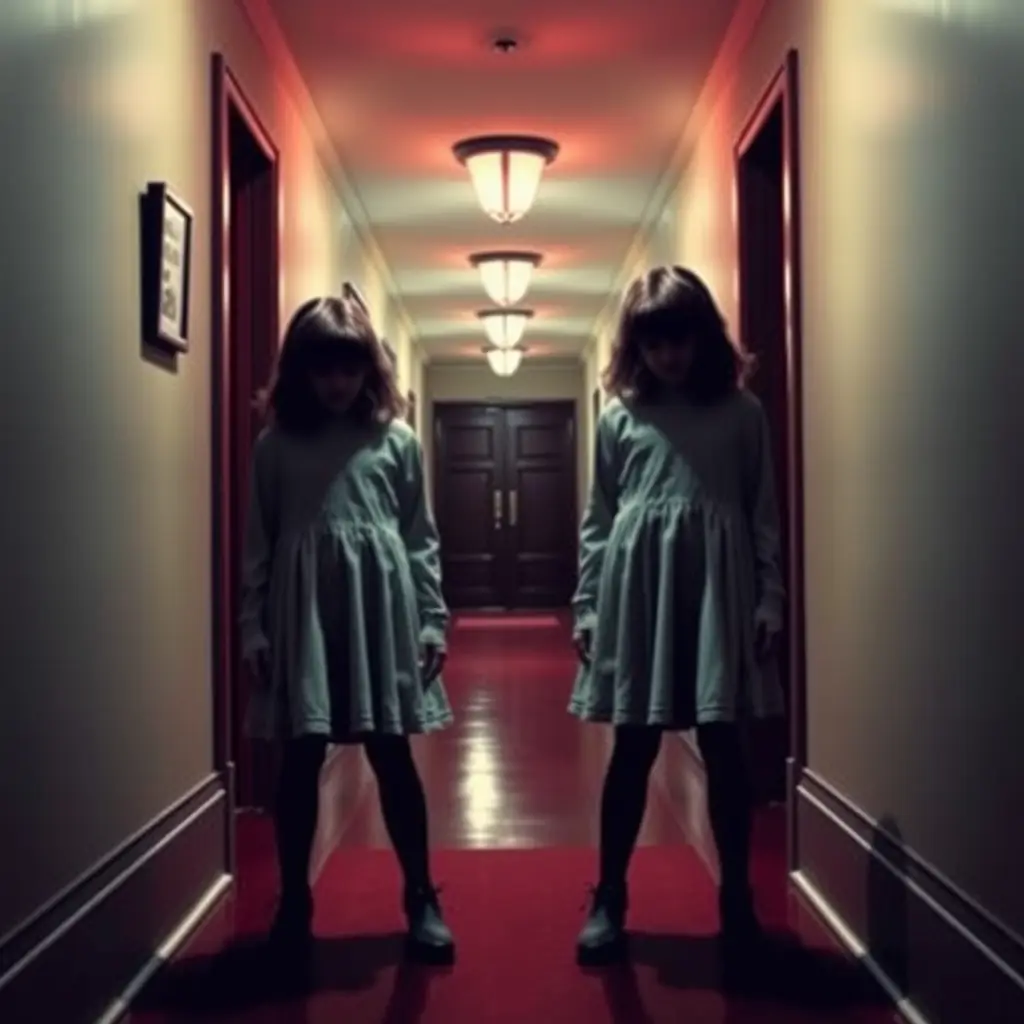
If you've ever watched The Shining , you know the hallway scene with the twin girls is more than just a moment of horror. Stanley Kubrick's adaptation of Stephen King's novel is loaded with symbolism and psychological intrigue, but it's this scene that lingers in my mind. The way the camera captures the twins, standing eerily in unison, sticks with you long after the credits roll. The interpretation of that scene varies among cinephiles; some see it as a manifestation of Danny's 'shining' abilities tapping into the hotel's haunted past. Others argue it's a metaphor for the cyclical nature of violence and madness in the Overlook. Me? I think it's all about the unsettling juxtaposition of innocence and terror, captured perfectly as Danny rounds the corner into chilling silence. Kubrick's use of symmetry and misdirection keeps you off balance, inviting interpretations and theories that seem endless. Each viewing brings a new layer of understanding, and that's why it remains a compelling topic for film discussion—amplifying the film's mystique and ensuring its place in horror lore.