The Inception Ending: Dream or Reality?
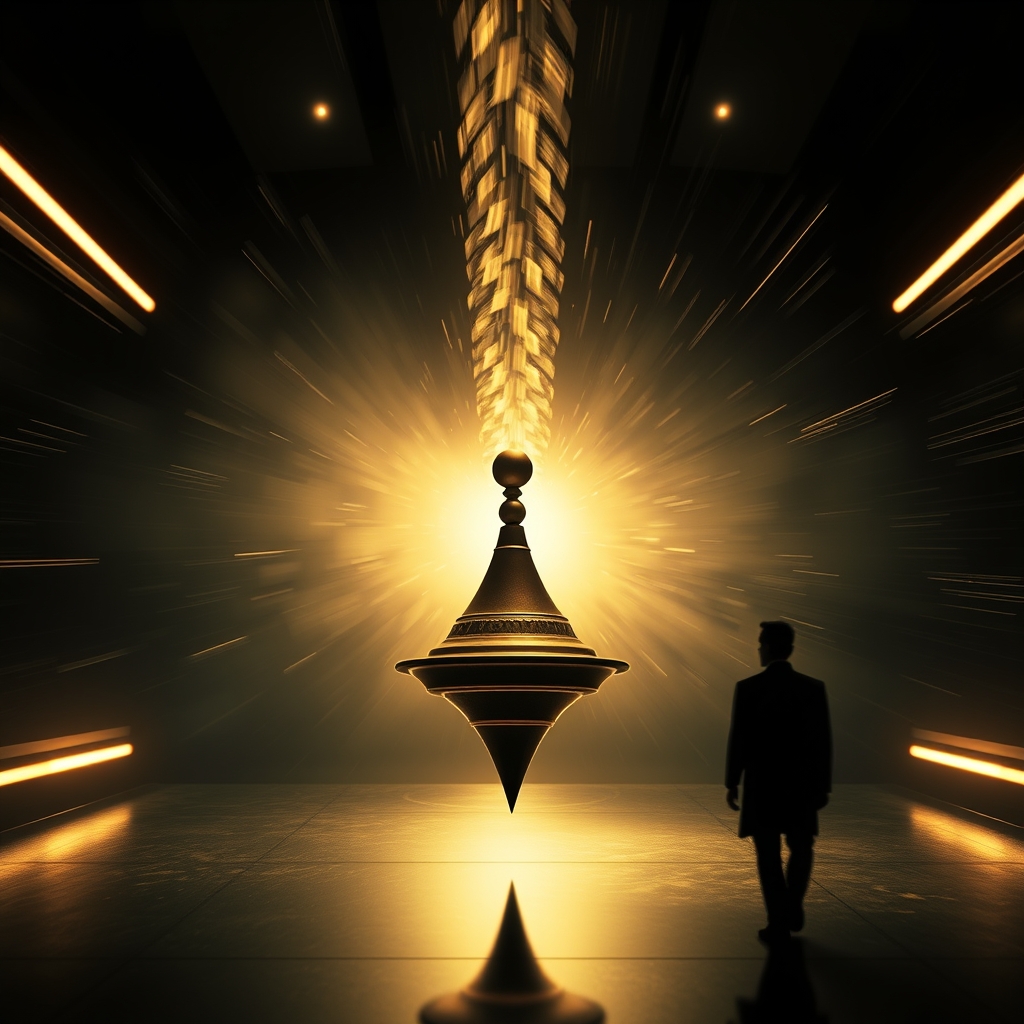
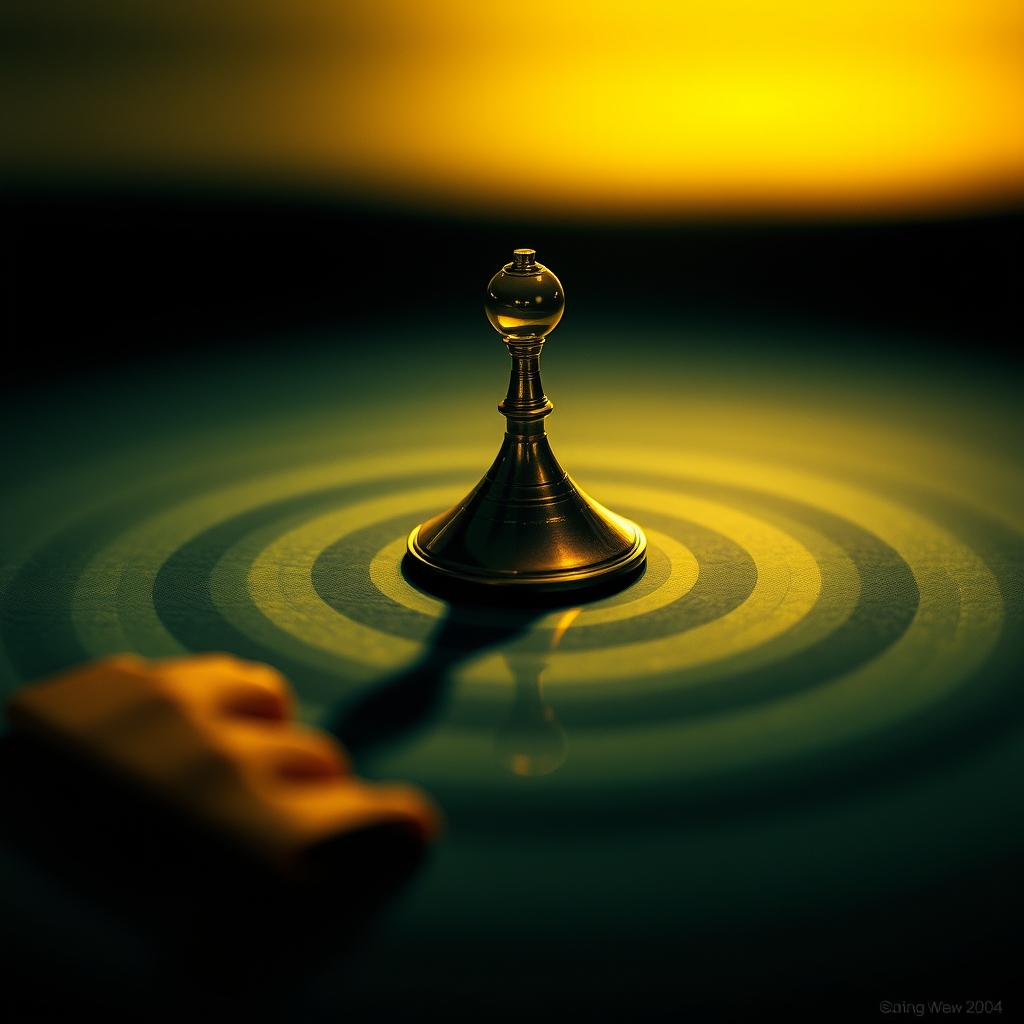
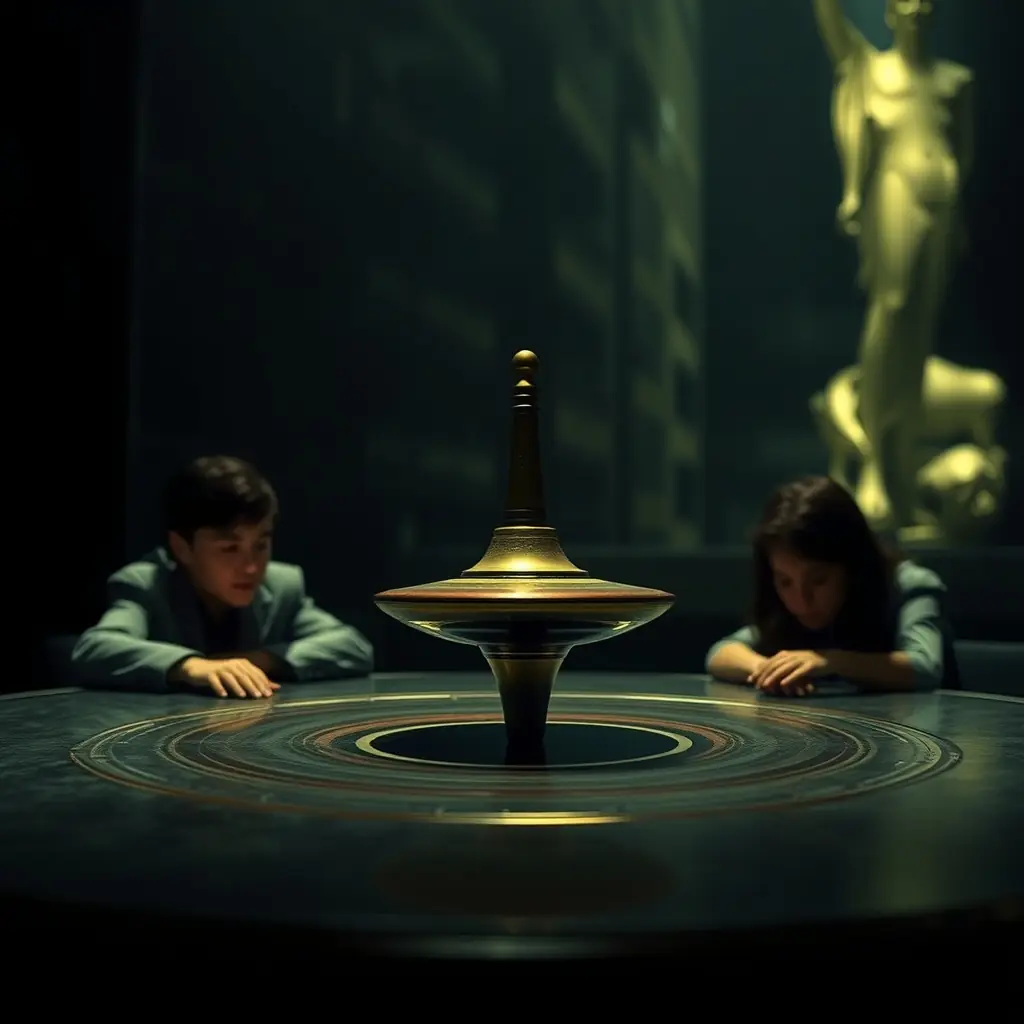
Christopher Nolan's Inception has left viewers tossing theories around like a spinning top since its 2010 release. After an intense ride through layers of dreams within dreams, we're left with Leonardo DiCaprio's character, Cobb, finally reuniting with his children. The spinning top on the table barely stops spinning as the screen cuts to black. It's a classic cliffhanger that had audiences wondering—was Cobb still dreaming? As someone who's dissected this film more times than I can count, I can tell you the debate rages on. Nolan purposely left it ambiguous, leading many to speculate each time they watch. Some argue the top wobbled slightly in those final moments, suggesting it would fall, thus signaling Cobb's return to reality. Others insist the presence of his children in the same position as in his dreams implies he never woke up. Every theory has its day, and endless rewatching fails to settle the argument. What makes this ending so engaging is Nolan's craft, leading each viewer to their personalized conclusion based on the film's nuanced visuals and logic. No definitive answer gives power to audience imagination—an allure that keeps this debate alive whenever fans gather to discuss.
Who Shot First? The Star Wars Dilemma
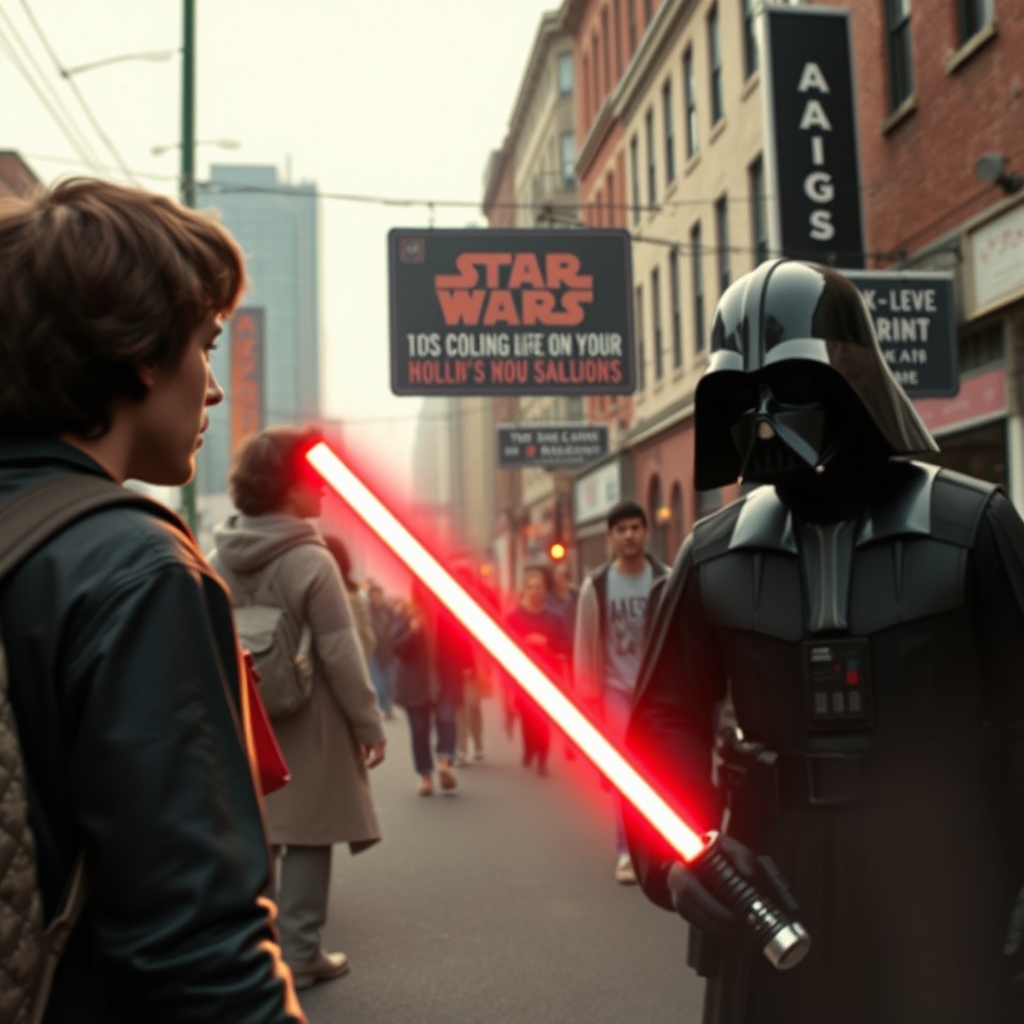
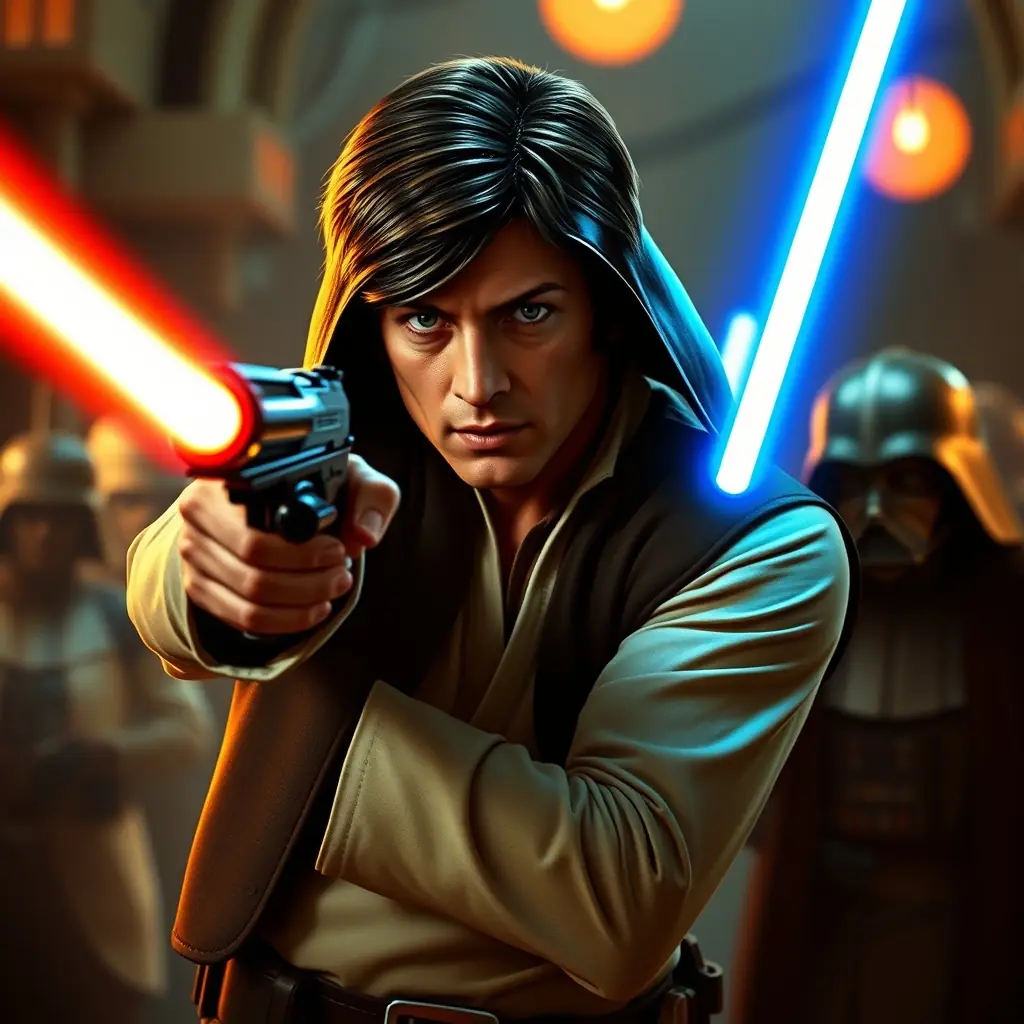
The debate over who shot first, Han Solo or Greedo, in Star Wars: A New Hope continues to light up forums and conventions alike. Originally, in the 1977 version, Han shoots first in the Mos Eisley cantina. But the 1997 special edition edit by George Lucas changed the sequence so Greedo fires first, with Han retaliating in self-defense. The alteration transformed Han’s character from a morally ambiguous anti-hero to someone more mainstream. As a lifelong Star Wars enthusiast, I’ve tracked the fervor this change has sparked. Screenshots, interviews with the cast and crew, and endless fan recreations have fed the flames. Lucas defended his decision, citing a vision of nobility, while purists argue it undercuts the essence of Han Solo's rugged charm. It's a scene dissected and discussed until there's nothing left to argue, yet the conversation keeps circling back. The beauty of this debate lies in its endless persistence. Whether you stand by the original or accept Lucas's revision, it showcases the deep emotional connection fans have with this universe. Resolve may never come, but with each film marathon or fan gathering, it’s bound to reemerge.
Ending on a Note: The Ambiguous Finish of The Graduate
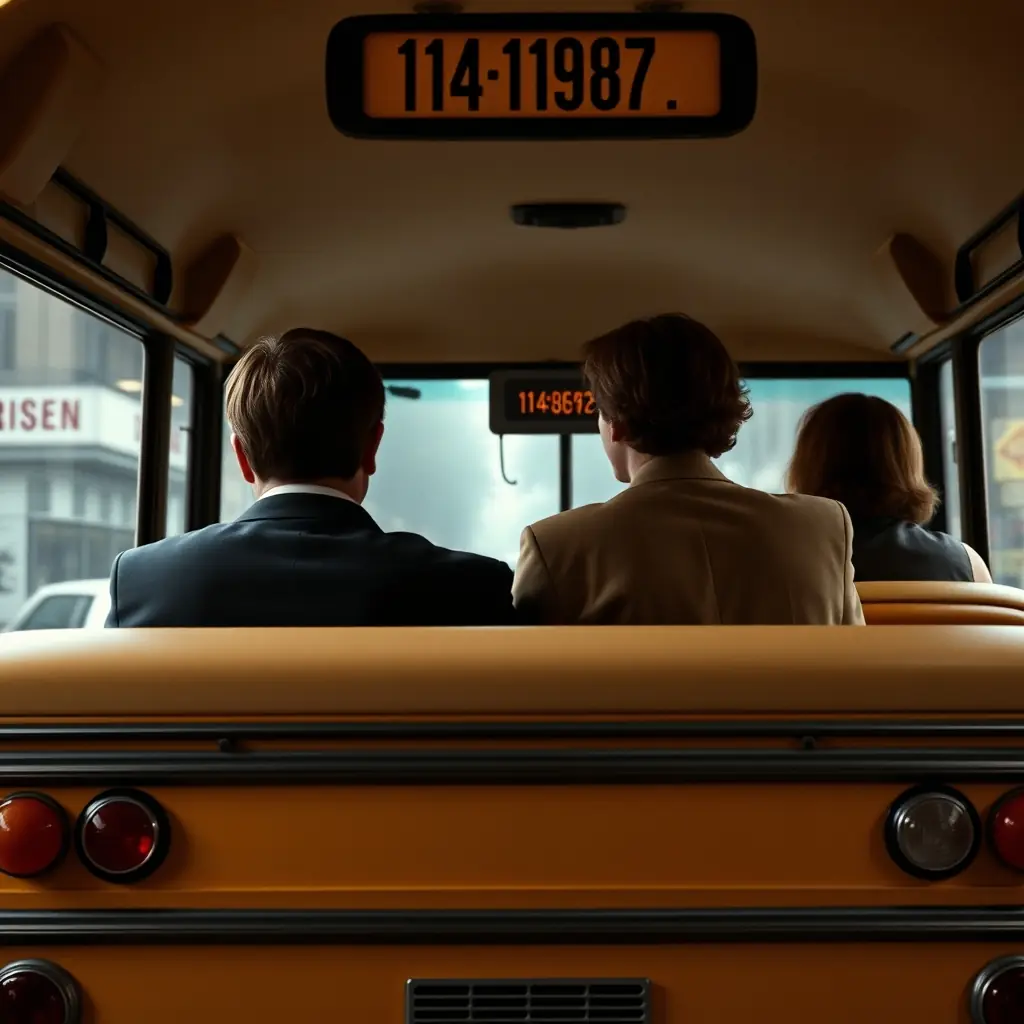
Dustin Hoffman's frantic dash at the end of The Graduate followed by that oddly silent bus ride is as iconic as it is unresolved. After thwarting a wedding, Ben and Elaine find themselves on the back of a bus, exchanging excited glances that slowly fade into uncertainty. Is this the happy ending they yearned for, or the preamble to a series of regrets? As someone who often revisits this classic, that final shot always feels fresh with meaning. Director Mike Nichols left the conclusion deliberately uncertain, perhaps mirroring the confusion of those times—a generation questioning where they fit. Fans often note that the absence of dialogue accentuates their possible doubts about the future. This ending has spurred countless discussions, with some seeing hopeful freedom and others an inevitable tumble into disillusionment. What makes this ending stick is its refusal to spoon-feed closure. Like life itself, it’s full of potential paths and none carved in stone. And that’s exactly why audiences continue to dissect those heavy moments shared between the characters. The Graduate leaves its mark by capturing a familiar anxiety—uncertainty disguised as choice.