The Pulp Fiction Briefcase: What's Inside?
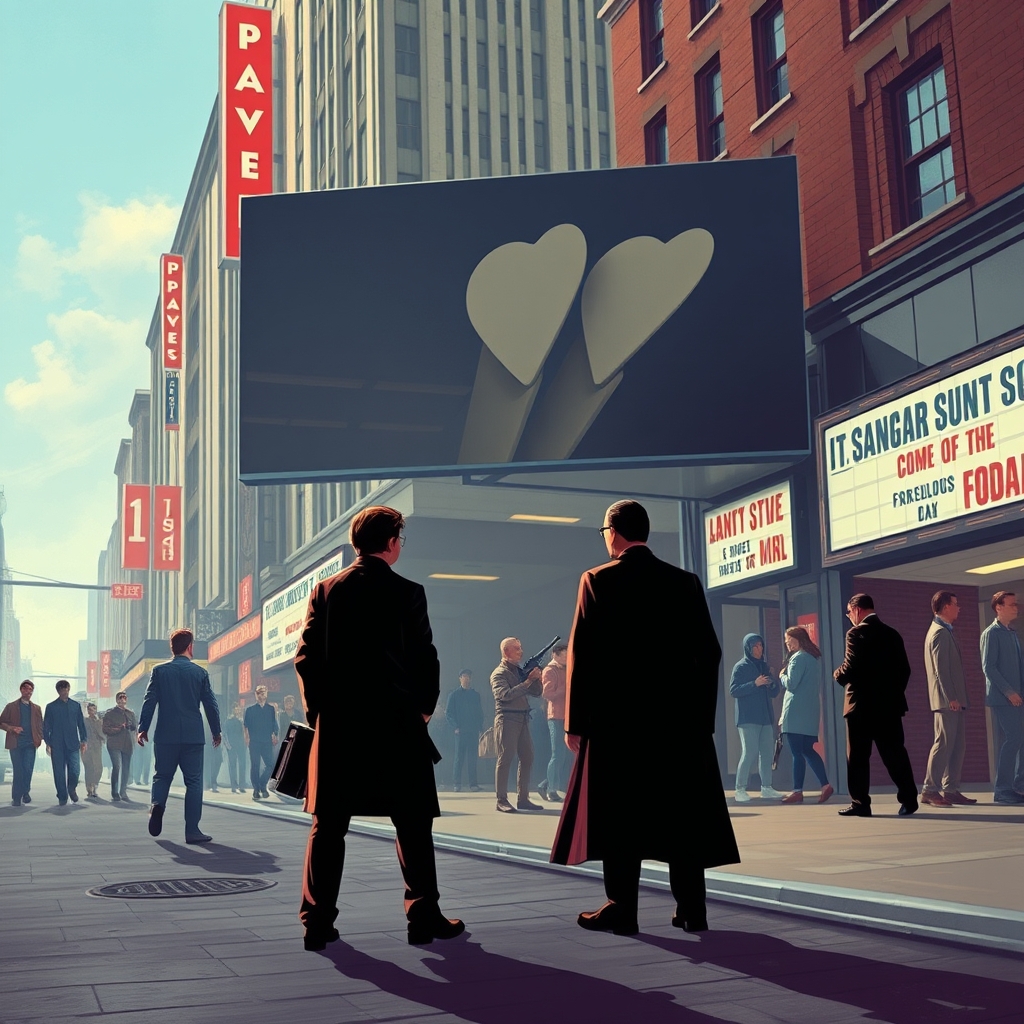
Every film lover with a fondness for Quentin Tarantino's work has one burning question: what's inside the briefcase in Pulp Fiction ? It's never clearly shown, but that has never stopped fans from theorizing. Some say it's Marsellus Wallace's soul, citing the combination lock 666 as a nod to the devil. Others suggest it's merely a MacGuffin, an object with no real significance beyond motivating the plot. Having watched the film countless times, I still lean toward a more symbolic interpretation. Tarantino himself leaves the answer ambiguous, allowing each viewer to project their own ideas into that glowing case. This open-ended question gives the film an ever-renewing lifeline in conversations everywhere. Even now, film forums light up with new theories connected to the briefcase, demonstrating the power of suggestion in storytelling. It brilliantly shows that sometimes what is left unsaid is the most powerful narrative tool of all, inviting viewers to become part of the story.

Blade Runner's Unicorn Dream: Real or Replicant?
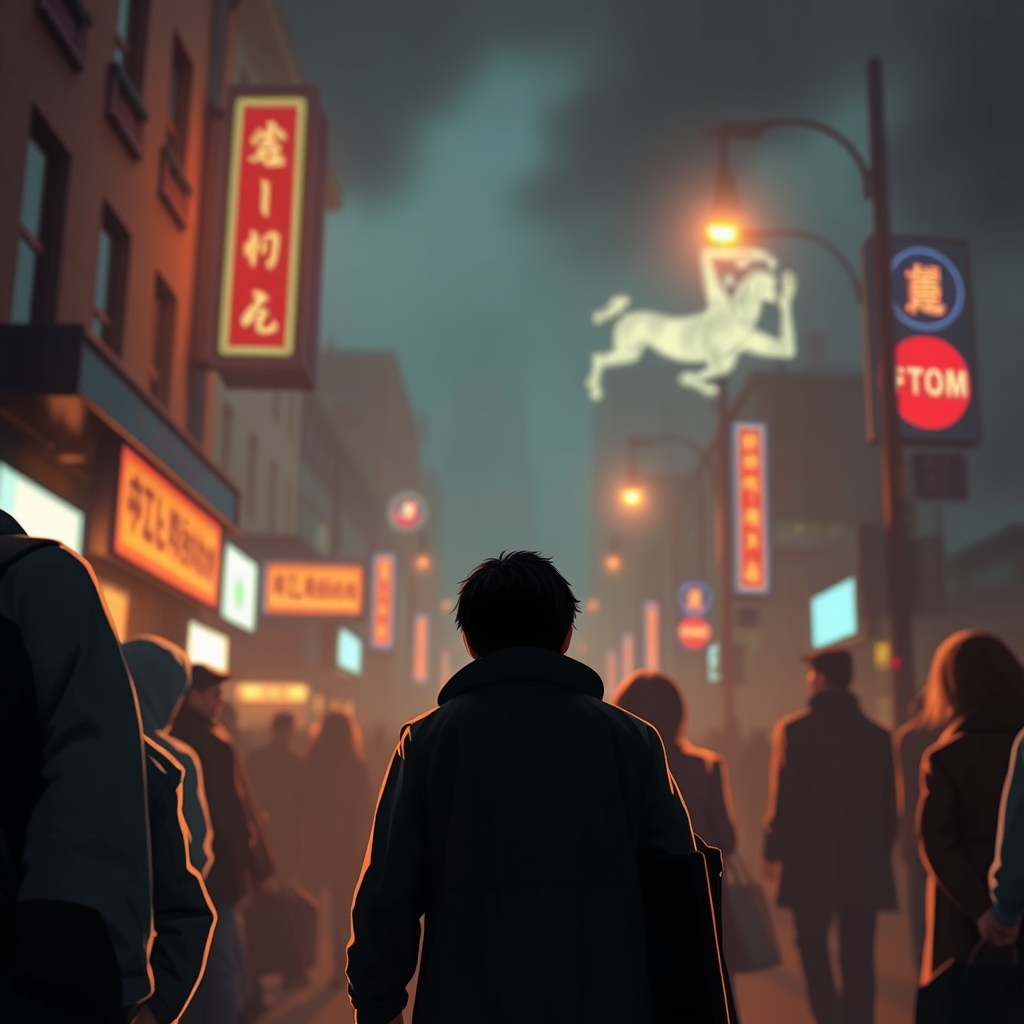
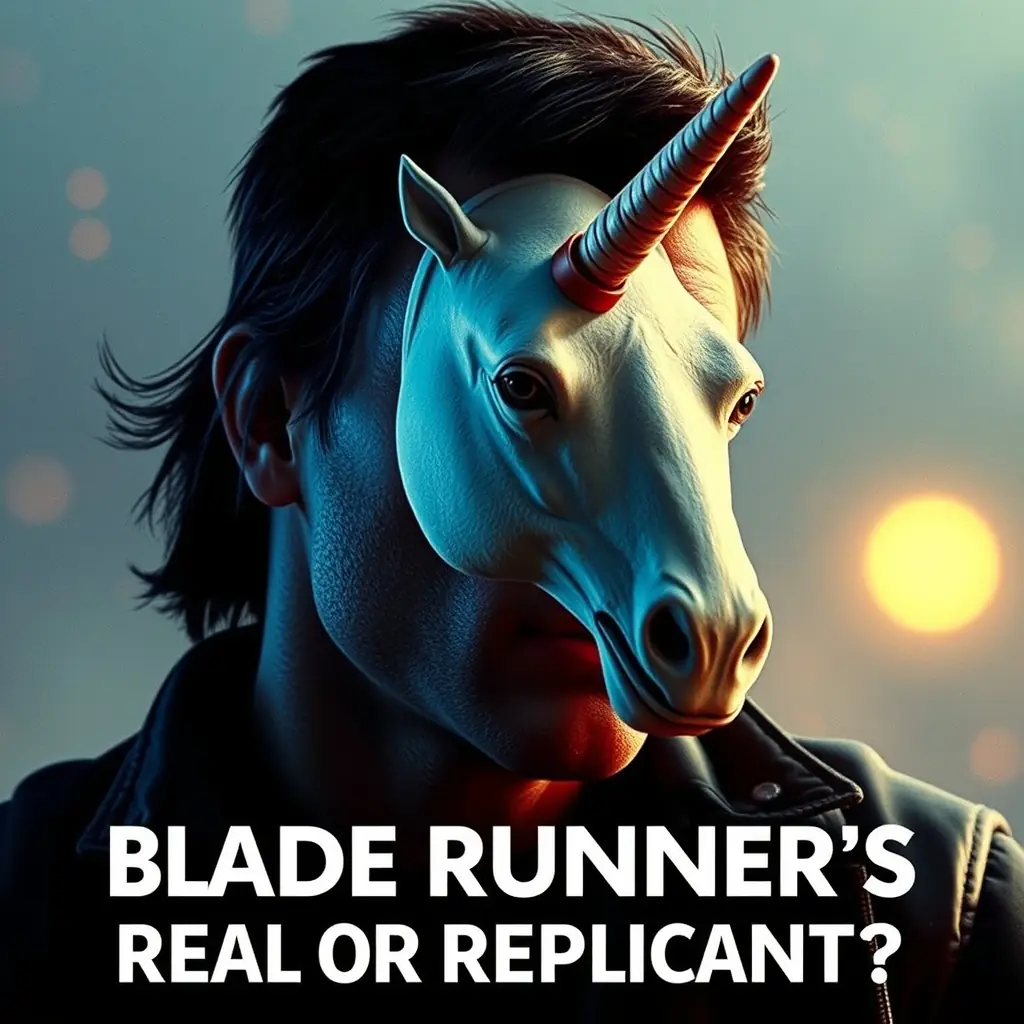
No discussion about Ridley Scott's Blade Runner feels complete without diving into Deckard's unicorn dream. If you've seen the various cuts of this sci-fi classic, you know the scene appears in different forms, influencing interpretations of Deckard's humanity. Personally, the unicorn dream strikes me as a masterful layer of ambiguity. It suggests Deckard might be a replicant with implanted memories, a theory further bolstered by Gaff's origami unicorn at the end. This perplexing concept has sparked countless debates at conventions and film clubs, with some fans even poring over Philip K. Dick's Do Androids Dream of Electric Sheep? for hidden clues. The ongoing discussions underscore the genius of Blade Runner's narrative complexity, which leaves something for every viewer to uncover, regardless of which cut they watch. Much like the film's cityscape, questions around Deckard's identity remain shrouded in mystery, encouraging fans to think deeply long after the credits roll.
Is Inception's Top Still Spinning?
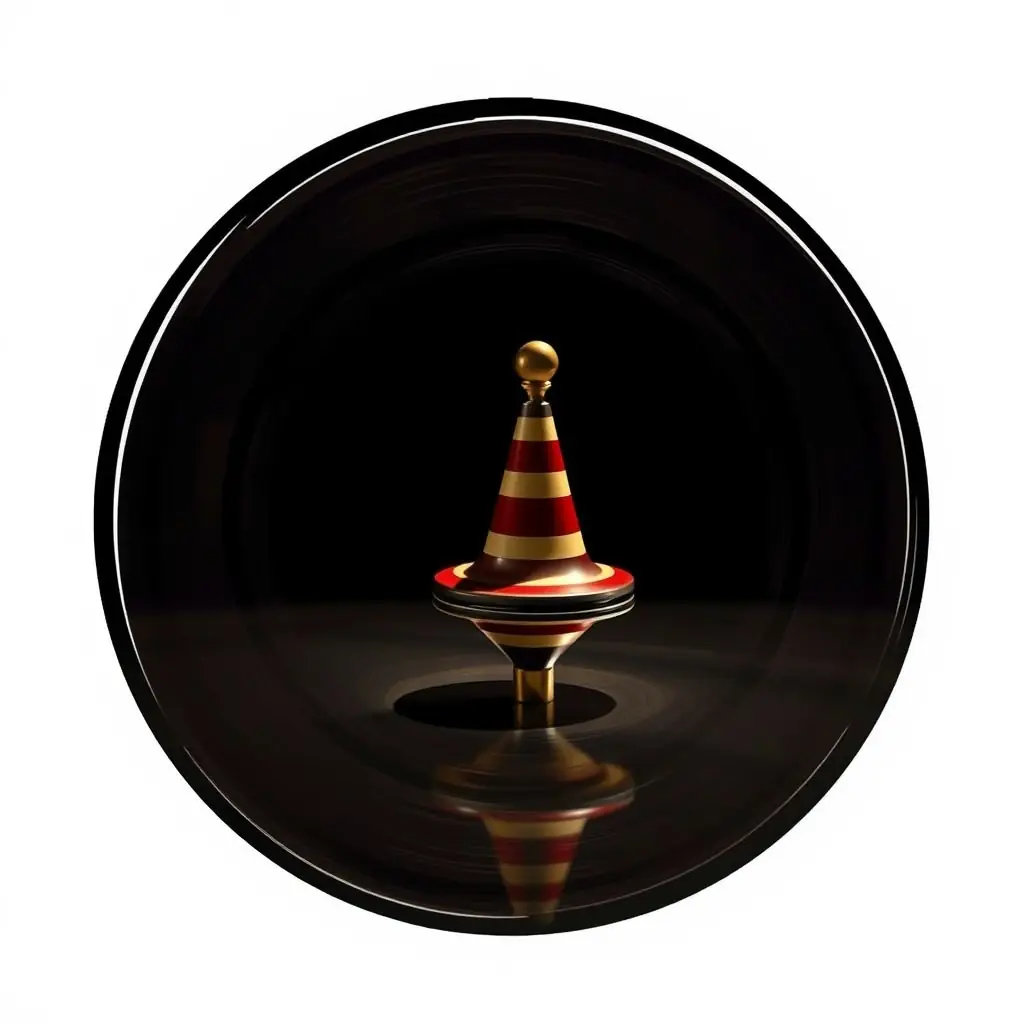
Christopher Nolan's Inception ends with a scene that has left audiences in heated debates for years: Cobb's spinning top. As the screen cuts to black, viewers are left hanging, unsure if Cobb is in a dream or reality. I've discussed this scene over countless coffee dates and online forums, each time filled with fresh perspectives. Some argue that the top's slight wobble suggests reality, while others believe Nolan's intention was to leave viewers questioning the nature of their own realities. The intricate plot of Inception invites viewers to watch and rewatch, piecing together layers they might have missed. We've even debated if it's all a ploy to focus more on Cobb's emotional journey than the literal ending. This unresolved climax achieves what the best films do: it lingers in the mind long after watching, tirelessly inspiring discussion. Nolan's choice to end on an ambiguous note ensures the film's legacy as a staple of film discussions across generations, making it a cultural touchstone for dissecting dreams versus reality.