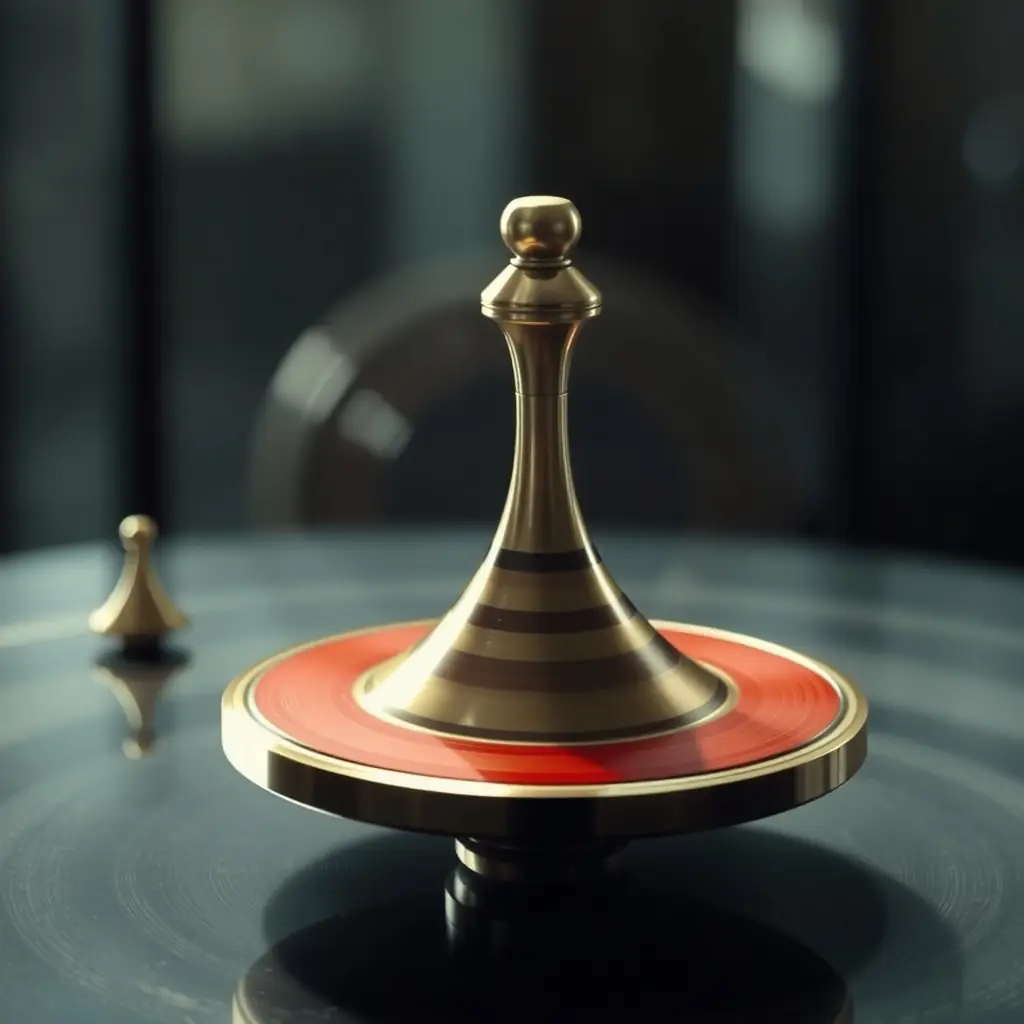
The Theories Behind 'Inception's' Spinning Top
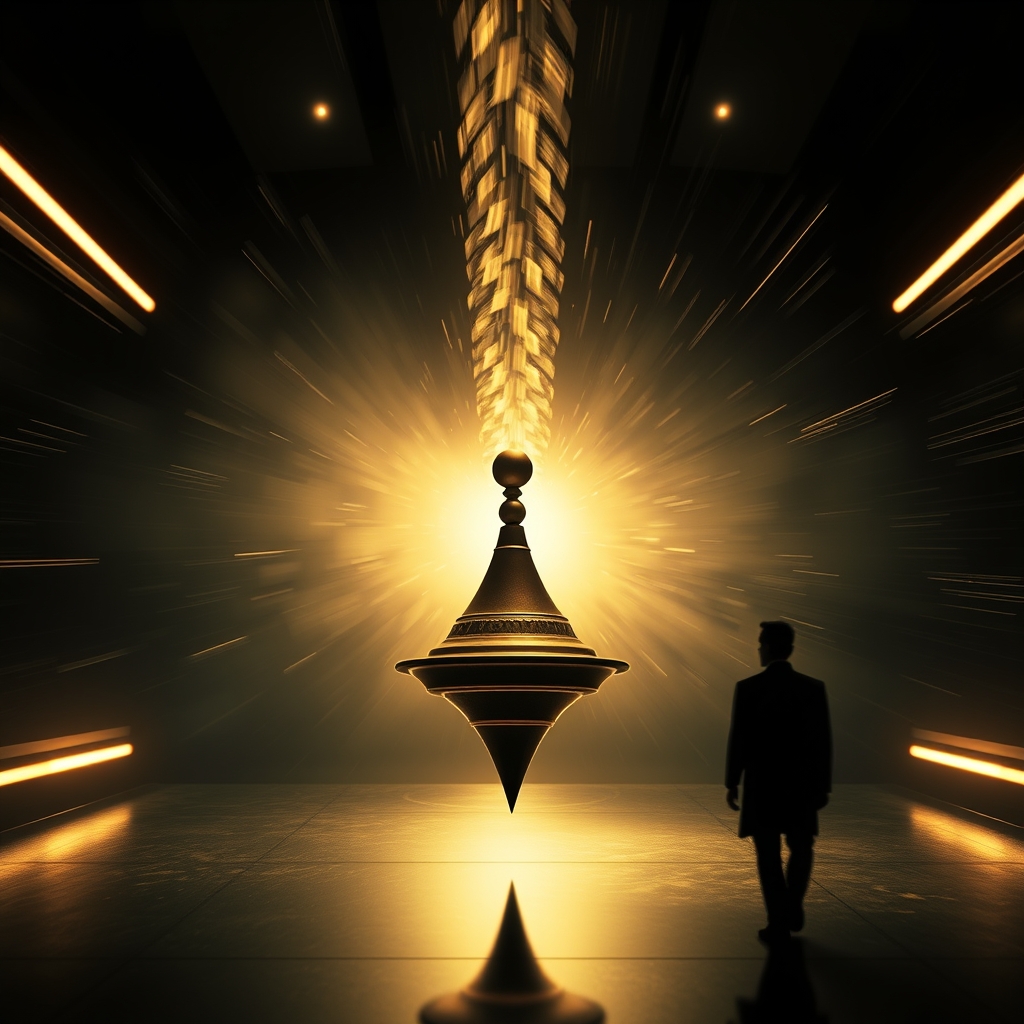
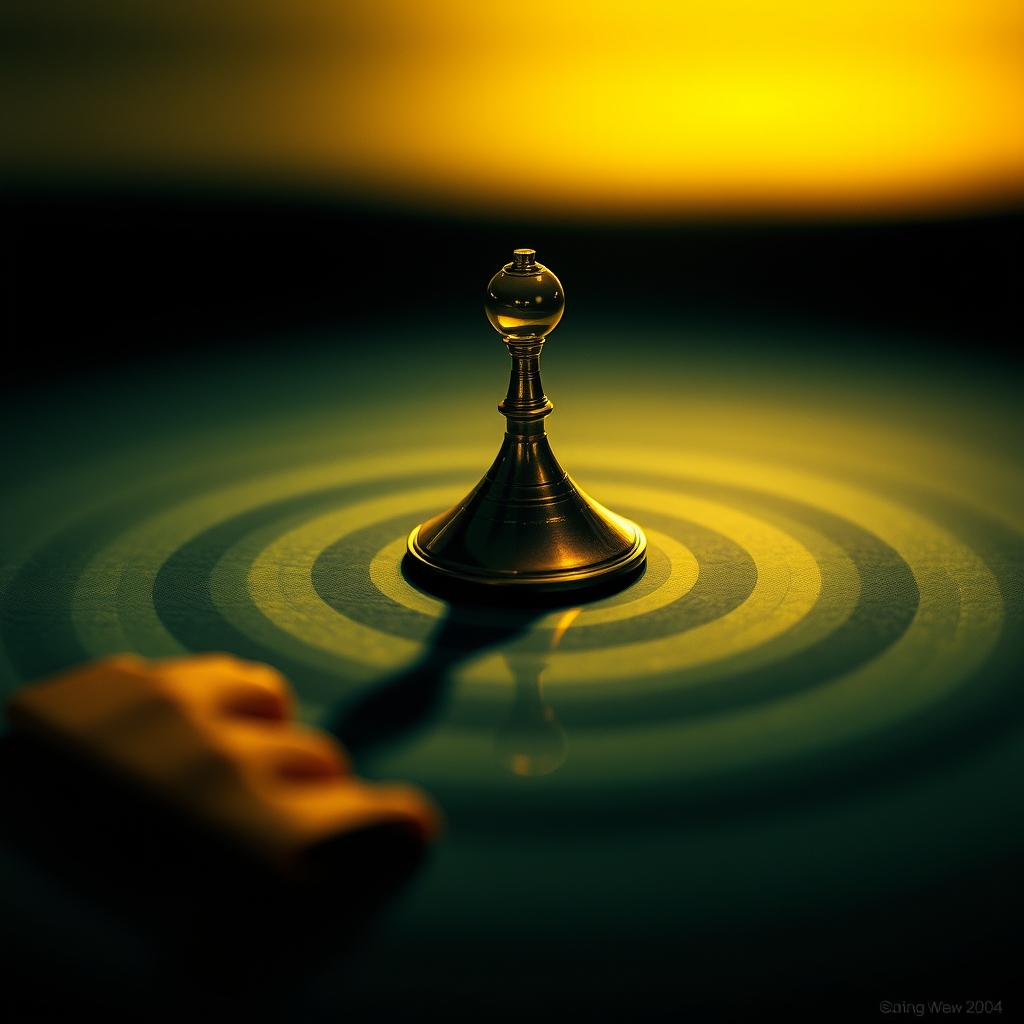
"Inception" has puzzled audiences since its release, primarily because of that spinning top in the final scene. As someone who has discussed this ad nauseam with fellow film buffs, I can attest to the endless theories it inspires. Some believe the top eventually falls, meaning Cobb is indeed in reality, while others argue it's a dream all the way down. Christopher Nolan built this ambiguity intentionally. I've watched countless fan edits and read articles that dissect the sound design of that scene—did you ever realize that the top's noise changes subtly just before the cut? It's an audio clue some believe hints at the top's imminent fall. Honestly, I've gone back and forth, sometimes convinced there's no definitive answer at all. Whether or not there's a single truth to uncover, part of the fun is how this question brings us fans together, turning screenings into debates that spill over into the café conversations and Reddit threads. This element of mystique keeps "Inception" not only relevant but also endlessly fascinating, reinforcing its status in the pantheon of movies that invite you to watch them again with fresh eyes, searching for clues you may have missed before.
What 'The Shining' Truly Means
Of all the movies that spark debate, "The Shining" probably tops the list. Stanley Kubrick's take on the Stephen King novel leaves fans and scholars scratching their heads. I’ve sat through theories about moon landing conspiracies, symbolism in the Native American motifs, and even the bizarre concept that it’s all in Danny’s mind. During a recent rewatch, I noticed the recurring images of labyrinths and mirrors—simple yet unsettling. This isn’t just a horror film; it’s a psychological maze designed to make you question the nature of identity, reality, and even the reliability of the narrative itself. Those iconic carpet patterns and cryptic lines from Jack Torrance? They’re fodder for hours of speculation. Stepping into conversations on film forums, I've encountered analyses that range from scene disruptions showing continuity errors to over-the-top interpretations of Ullman's paper tray. It seems everyone has their theory, yet no one has the answer, which is precisely why "The Shining" continues to haunt and intrigue, almost four decades later. Ultimately, the film remains an experience—a never-ending riddle that keeps inviting audiences back to try and solve it, even though Kubrick himself may have never left us a definitive key.
The Cult Status of 'The Rocky Horror Picture Show'
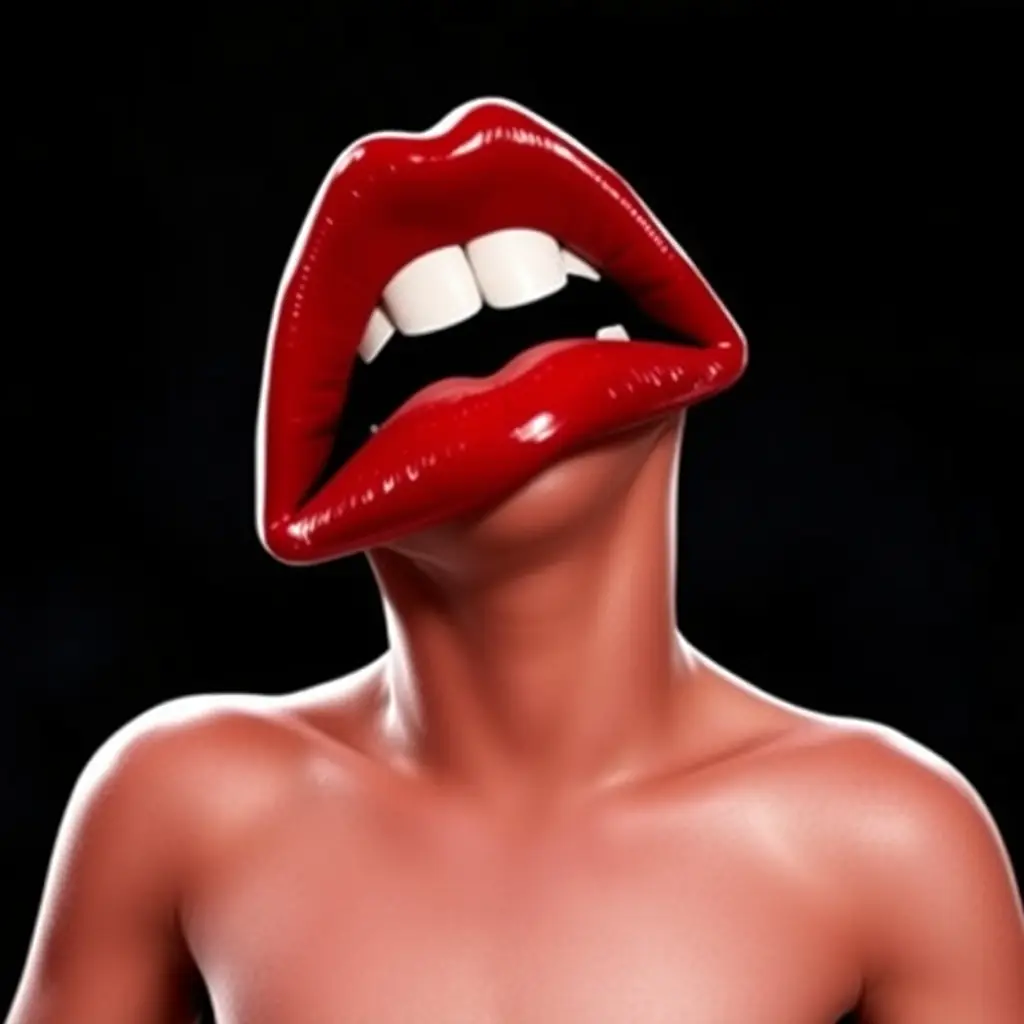
"The Rocky Horror Picture Show" is probably the only film that genuinely grows in fandom and cultural relevance with each passing year. I first stumbled upon it during a midnight screening at an independent theater, where I immediately understood why it’s become a rite of passage for so many. This movie isn’t just watched; it’s performed. Participating in a "Rocky Horror" experience means throwing toast, dancing the Time Warp, and relishing as lines are shouted in unison by the crowd. It’s a conventional film, yet wholly unconventional in how audiences interact with it. Over the years, it’s been dissected to pieces, from its campy qualities to its bold queerness at a time when such themes were hardly mainstream in cinema. I’ve met fans who see Dr. Frank-N-Furter as an emblem of creative freedom, while others focus on the film's sharp critique of heteronormative culture. Sure, it’s been labeled as cheesy and kitsch, but that’s precisely why it endures. Its flaws are its charms, and just when you think you’ve settled on its message, another viewing offers a new shade of interpretation. Its stalwart fan base and distinct viewing rituals ensure "Rocky Horror" is more than a film—it’s an ongoing cultural dialogue.